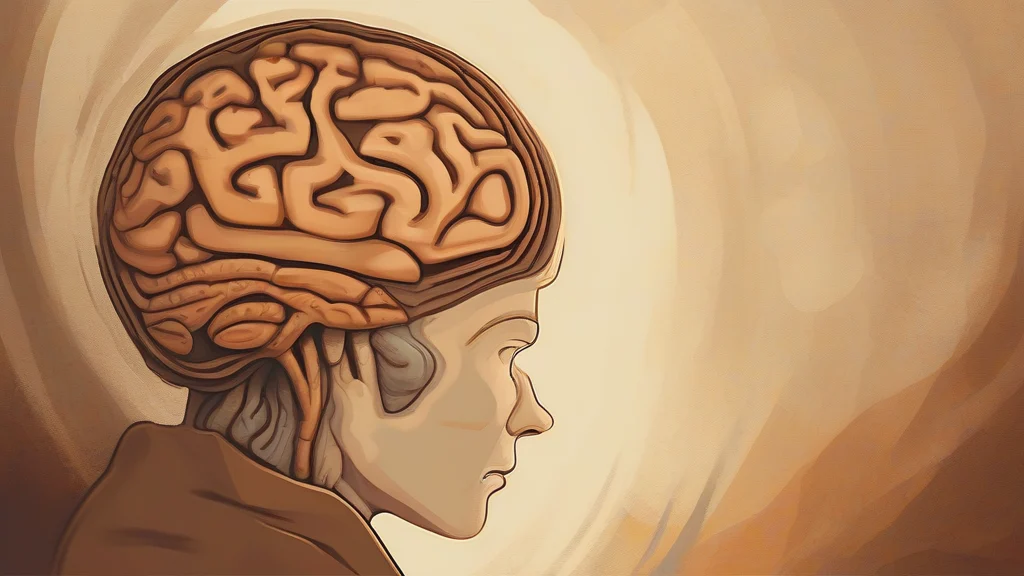
What does lobus mean?
The term 'lobe' refers to a specific region of the brain, particularly one of the four main lobes of the cerebral cortex. In medical contexts, the term is often used to describe a damaged or affected area of the brain. The lobe is a critical component of the brain's structure and function, and damage to it can have significant consequences. Understanding the concept of a lobe is essential for neurosurgeons, neurologists, and other medical professionals who work with the brain and nervous system. The term is also used in other contexts, such as in the study of brain development and function. Overall, the concept of a lobe is a fundamental aspect of neuroscience and has important implications for our understanding of the brain and its functions.
nounA lobe of the brain, especially one of the four main lobes of the cerebral cortex.
- A lobe of the brain
"The patient's brain scan showed damage to the temporal lobe."
"The neurosurgeon carefully removed the damaged lobe."
"The patient's brain scan showed a large lobe on the left side."
Reviewed by Deb Chak, Editor. AI-assisted content curated by RJS Tech Solutions LLP.
Etymology of lobus
The term 'lobe' originates from the Latin word 'lobus', which means 'lobe' or 'fold'. This Latin term is derived from the Greek word 'λοβός (lobos)', which also means 'lobe' or 'fold'. The term has been used in various contexts, including medicine, anatomy, and biology, to describe a specific region or structure.
How lobus is actually used
In medical contexts, the term 'lobe' is often used to refer to a specific region of the brain.