
What does lurid mean?
Lurid is an adjective describing something that is shockingly vivid, sensational, or excessively intense. It is often used for accounts, photographs, films, or performances that dwell on disturbing, violent, sexual, or otherwise attention-grabbing details. The word can also describe colors or lighting that are harshly bright and garish. In most contexts, lurid carries a negative or disapproving connotation, suggesting exaggeration, sensationalism, or an effect designed to provoke a strong reaction. It is distinct from vivid, which can be neutral: a vivid description may simply be clear and powerful, while a lurid description is characteristically intense in a way that can feel improper or excessive. The word is useful when discussing the contrast between informative reporting and dramatic or sensational presentation.
adjectiveCharacterized by shocking, sensational, or excessively vivid detail, especially of a disturbing or sexual nature. It can also refer to colors or lighting that are harshly bright and garish.
- Shockingly vivid, graphic, or sensational, especially in a disturbing, violent, or sexual context.
- Harshly bright, intensely colored, or garish in appearance.
- Sensational, exaggerated, or deliberately attention-grabbing.
"The newspaper gave a lurid account of the crime, focusing on its most sensational details."
"The magazine was criticized for its lurid coverage of the trial."
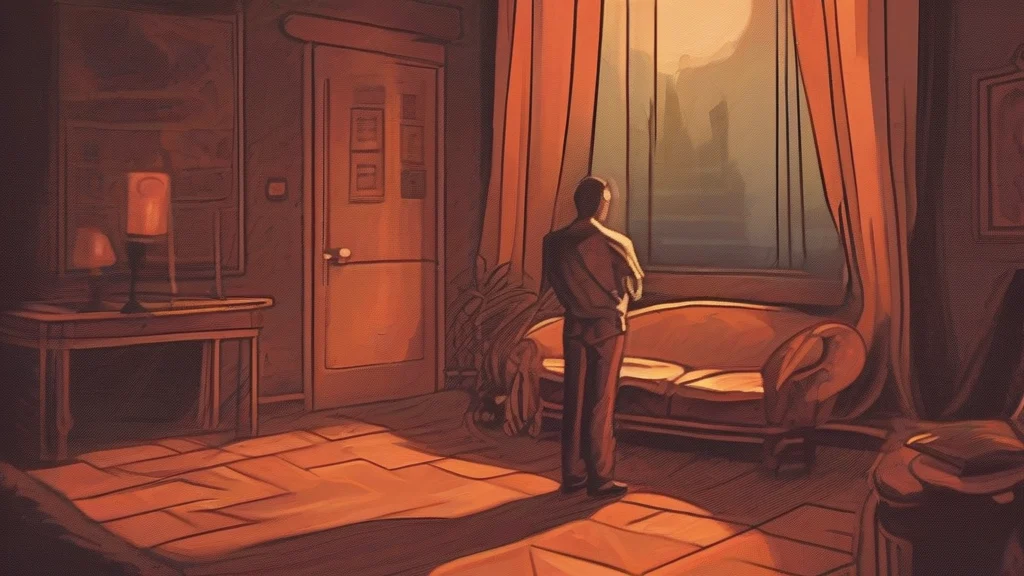
"The room was filled with lurid purple and red lighting."
A lurid description does more than make a scene vivid: it often signals that the scene is being presented in an exaggerated, sensational way.
Reviewed by Deb Chak, Editor. AI-assisted content curated by RJS Tech Solutions LLP.
Etymology of lurid
Lurid comes from Latin luridus, an adjective associated with a pale, sallow, ghastly, or excessively vivid appearance. English borrowed the word in the 17th century, initially in contexts describing color or a frightening or unnatural appearance. Over time, its meaning broadened to include accounts and images that are sensational, graphic, or shocking. The modern sense reflects the long-standing association of lurid coloration with something strange, alarming, or morally disturbing.
Related word forms
How lurid is actually used
The term is usually critical or disapproving when describing writing, images, or performances. In the sense of harsh color or lighting, it can describe an intensely vivid visual effect.
Easily confused with lurid
Vivid describes bright, clear, or strongly perceptible imagery, whereas lurid often implies that such intensity is excessive, shocking, or sensational.
Graphic emphasizes explicit or vivid detail, often involving violence or distress; lurid similarly suggests sensationalism but also commonly describes garish colors or lighting.