
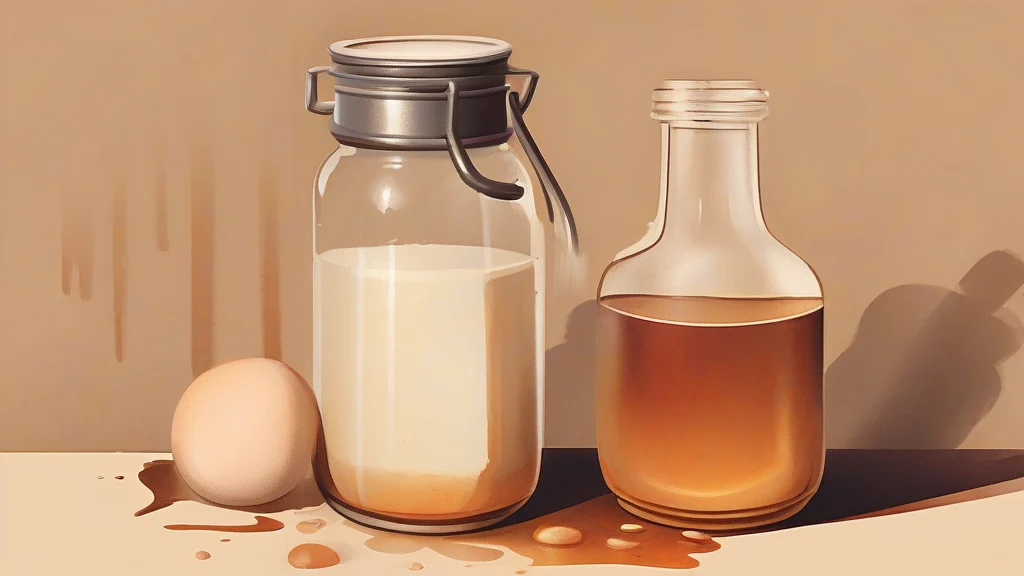
What does macerating mean?
Macerating means softening or breaking something up by soaking it in liquid. The word commonly appears in cooking, where fruits, seeds, herbs, or other ingredients are left in liquid to soften and release their flavors or useful compounds. It also has a formal figurative meaning: persistent pressure, hardship, or criticism can macerate a person’s resistance, resolve, or determination. In that use, the word suggests gradual erosion rather than a sudden defeat. Macerating is the present-participle form of macerate and functions as a verb in progressive constructions, as in “the mixture is macerating,” or as an adjective describing something undergoing the process, as in “macerating seeds.” Although the literal sense is well established, the figurative sense is more literary and specialized than ordinary words such as soak or weaken.
verbTo soften or break up by soaking in liquid, especially as part of preparing food or extracting material. In figurative use, it means to wear down gradually, often through persistent pressure or unpleasant conditions.
- To soften or break up by soaking in liquid.
- To wear down gradually through pressure, hardship, or repeated influence.
"The seeds were macerating in warm water to release their oils."
"The botanist left the leaves macerating in alcohol overnight."
"Years of political pressure were macerating the resistance to reform."
From soaking something until it softens, “macerating” can also describe forces that gradually wear a person or institution down.
Reviewed by Deb Chak, Editor. AI-assisted content curated by RJS Tech Solutions LLP.
Etymology of macerating
The word comes from the Latin verb macerare, meaning “to make soft by soaking” or “to soften.” English borrowed the verb in the 16th century, initially in contexts involving soaking substances to soften or extract them. The root is also reflected in related English forms such as maceration and emaciate, the latter meaning to make thin or wasted through hunger or disease.
Related word forms
How macerating is actually used
The word is formal or technical in culinary, botanical, and laboratory contexts. Its figurative use is also formal and often suggests a slow, persistent process of weakening or softening.
Easily confused with macerating
No distinct English headword is commonly confused with this form; it is the present-participle form of macerate.