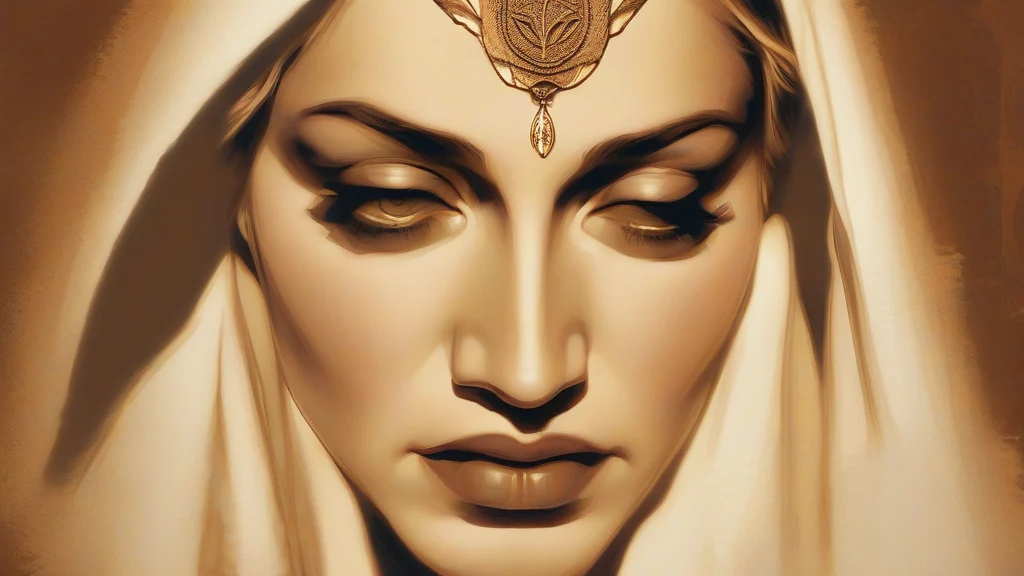
What does madonna mean?
The term 'madonna' has a rich history, primarily referring to the Virgin Mary in art, literature, and Christian tradition. It is often used to describe depictions of Mary in art, music, and literature. Additionally, 'madonna' can be used as a respectful title to address a woman, similar to 'ma'am' or 'madam', conveying a sense of reverence and dignity. This dual usage highlights the complexities of the term, which can evoke both spiritual and secular connotations. Understanding the nuances of 'madonna' can provide insight into cultural and artistic expressions.
The Virgin Mary, especially as depicted in art.
"The museum's collection includes several paintings of the Madonna."
In art and Christianity, 'Madonna' refers specifically to the Virgin Mary.
A respectful title used to address a woman.
"She was addressed as Madonna by the villagers."
As a title, it is used to show respect to a woman, often in formal or old-fashioned contexts.
The plural form is used when referring to multiple depictions or representations of the Virgin Mary, or when addressing multiple women with respect.
"The gallery features several madonnas from different artists."
Reviewed by Deb Chak, Editor. AI-assisted content curated by RJS Tech Solutions LLP.
Etymology of madonna
The word 'madonna' originates from the Italian phrase 'ma donna', meaning 'my lady'. It has been used in art and literature to refer to the Virgin Mary since the 13th century. The term has evolved to become a title of respect for women, particularly in formal or old-fashioned contexts.
How madonna is actually used
In art and Christianity, 'Madonna' refers specifically to the Virgin Mary. As a title, it is used to show respect to a woman, often in formal or old-fashioned contexts.