
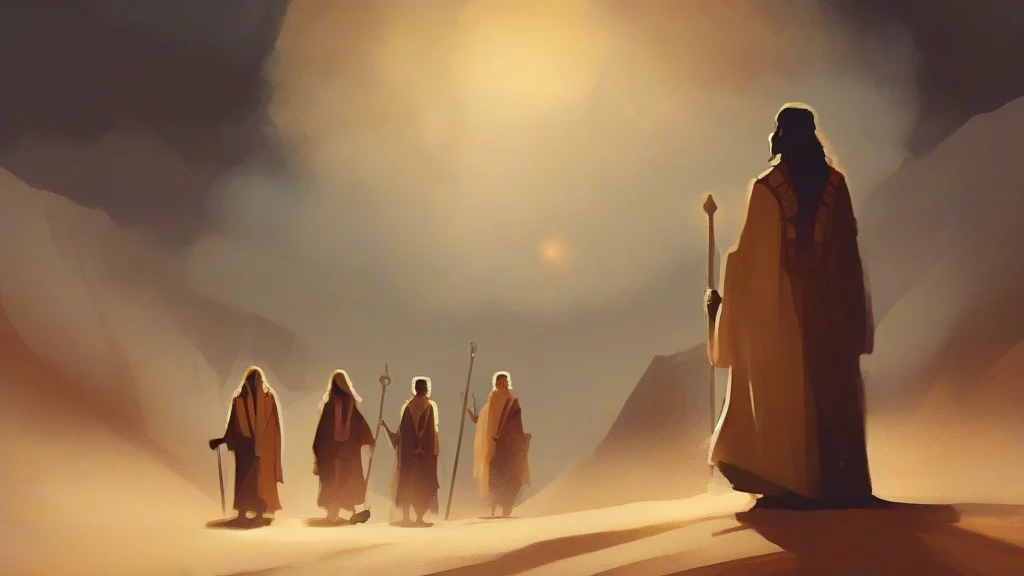
What does magi mean?
Magi is a plural noun meaning the wise men, priests, astrologers, or magicians of ancient Persia, depending on context. Its best-known modern use is for the Magi of the Gospel tradition, the mysterious visitors who came to Jesus bearing gifts and are commonly represented in Christmas art and stories as the Three Magi. The word has an archaic and learned tone rather than the everyday register of words such as “priest” or “astrologer.” Historically, magi referred to members of an ancient Persian priestly class associated with religious learning and astrology. Because “magi” is the plural of “magus,” it normally refers to more than one person and has no common modern singular form of its own. In biblical contexts, capitalization usually distinguishes the specific visitors from the more general historical sense of the word.
noun (plural)Magi is the plural of magus, especially the priestly or learned men of ancient Persia. In biblical and later usage, the Magi are the wise men said to have visited Jesus.
- The plural of magus, especially a member of the priestly class of ancient Persia.
- The biblical Magi, the wise men traditionally said to have brought gifts to Jesus.
"The gifts of the Magi are commemorated in Christmas traditions around the world."
"The Magi followed the star until they reached the child."
"In the story, the Magi recognize the significance of the newborn king."
Magi is already plural; use “magus” for one such person.
"The magi of the ancient Persian court were learned religious specialists."
The word magi began as the plural of a Persian priestly title, then became part of the Christmas story through the mysterious visitors traditionally called the Three Magi.
Reviewed by Deb Chak, Editor. AI-assisted content curated by RJS Tech Solutions LLP.
Where does magi come from?
Magi is the Latin plural of magus, which was borrowed into English from Greek magos. Greek magos was influenced by Old Persian maguš, a term for a member of the ancient Persian priestly class. The same broader family includes magic, magical, magician, and magus.
How magi is actually used
Magi is plural in form; the singular is magus. The word is chiefly literary, historical, or biblical, and is normally capitalized when referring specifically to the biblical visitors.
Easily confused with magi
Magi is a plural noun referring to priestly or wise figures, while magic refers to the practice or power associated with supernatural forces.