
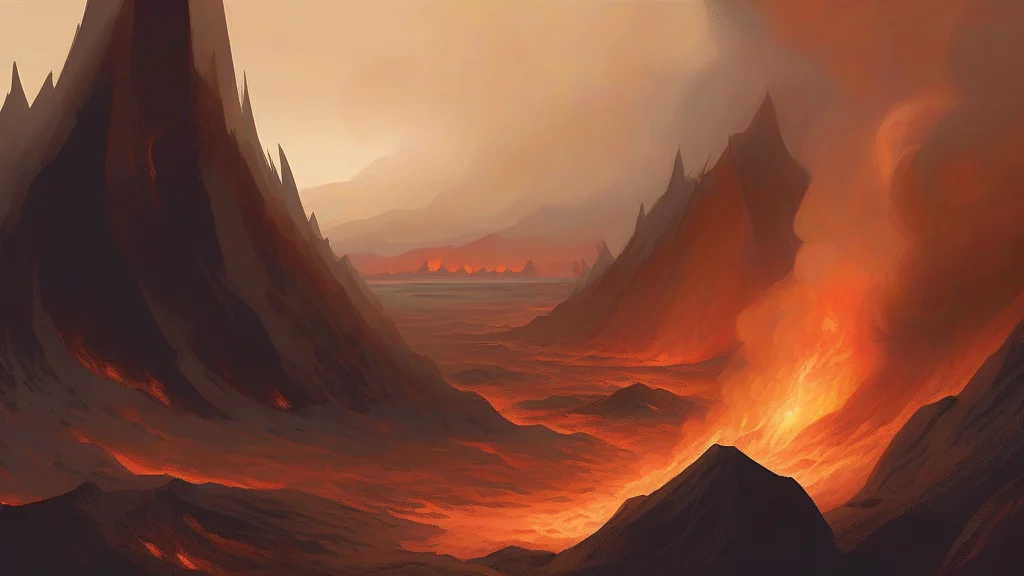
What does magma mean?
Magma is the molten or partially molten rock beneath Earth's surface that can feed volcanic eruptions. It is stored in structures such as magma chambers and may contain dissolved gases and minerals. When magma reaches the surface, it is called lava, so the distinction between the two terms primarily concerns location. Magma is also used figuratively for a powerful, intense, or disruptive force, especially in descriptions of social, political, or economic turmoil. The word is useful because it gives a precise geological name to material that is often loosely called lava, while its figurative sense vividly conveys the idea of energy that has accumulated beneath a surface and is ready to erupt. In everyday usage, however, many speakers use magma and lava interchangeably, even though geologists do not.
Molten or partially molten rock beneath Earth's surface or within a volcano.
"Pressure from the magma forced the volcanic cone upward."
When it reaches the surface, magma is called lava.
A figurative mass or force characterized by intense energy, disruption, or imminent eruption.
"The report described the growing opposition as a political magma beneath the surface of public life."
This is a literary or figurative use rather than the standard geological sense.
The plural is magmas, used when referring to separate bodies or quantities of molten rock.
"The survey identified several distinct magmas beneath the volcano."
Magma becomes lava the moment it reaches the surface, so one of geology's most famous distinctions is really about where the molten rock is located.
Reviewed by Deb Chak, Editor. AI-assisted content curated by RJS Tech Solutions LLP.
Where does magma come from?
Magma comes from Ancient Greek magma, meaning kneaded dough or a thick mixture, an image based on its viscous, pasty appearance. The term entered English in the early 19th century in geological contexts. Its later scientific development led to the related forms magmatic and magmatism, and it belongs to a family of geological vocabulary concerned with molten rock and processes within the Earth.
Related word forms
How magma is actually used
In geology, the term is distinguished from lava by location. Its figurative use is uncommon and usually conveys intense, forceful, or disruptive energy.
Easily confused with magma
Magma is molten rock beneath Earth's surface, whereas lava is molten rock that has erupted onto the surface.