
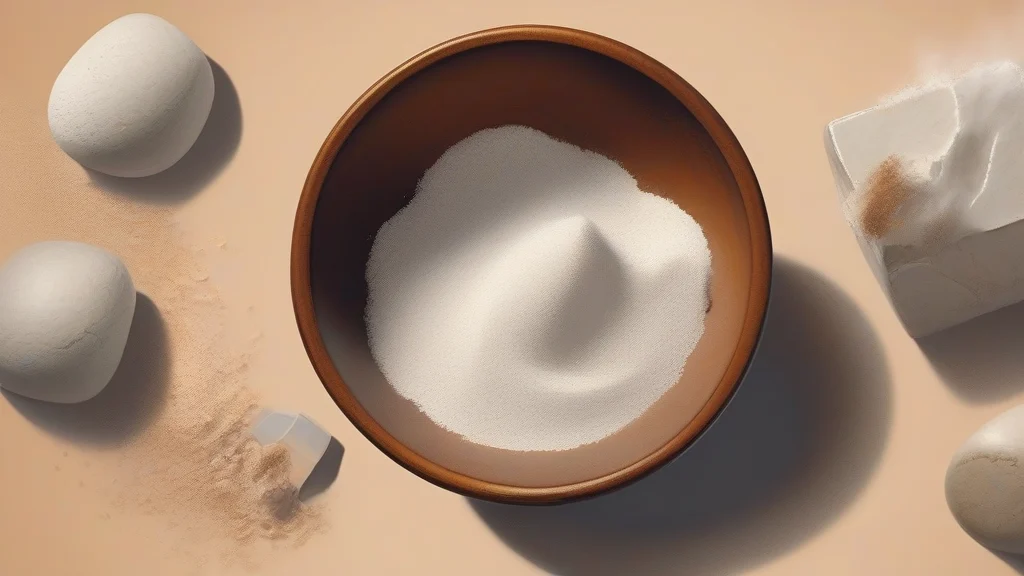
What does magnesia mean?
Magnesia chiefly denotes magnesium oxide, a white compound valued for its high melting point and resistance to heat. Industrial uses include refractory bricks, kiln linings, cement, and ceramics. In medicine, the term may occur in the established name milk of magnesia, a suspension of magnesium hydroxide traditionally used as an antacid and laxative; older references may also use magnesia for magnesium carbonate. The word can additionally recall the historical sense of a mineral associated with lodestone and magnetism. Although familiar from scientific and pharmaceutical contexts, magnesia is not a general synonym for magnesium: magnesium is the chemical element and metal, while magnesia is one of its compounds. The term also has an unusual history, preserving the name of the ancient Greek region whose mineral deposits contributed to the development of words such as magnesite, magnesium, and magnetite.
nounMagnesia is magnesium oxide, a white, refractory substance used in cement, ceramics, and some medicines. The name can also refer loosely to magnesium carbonate or magnesium hydroxide in medicinal preparations, especially milk of magnesia.
- Magnesium oxide, especially in its calcined or refractory form.
- A medicinal substance made from magnesium carbonate or magnesium hydroxide, now encountered chiefly in the name milk of magnesia.
- Historically, a mineral associated with magnetic properties.
"The kiln was lined with refractory bricks containing magnesia because the material withstands extreme heat."
"Heat-resistant magnesia was used to line the furnace."
"The pharmacist recommended milk of magnesia as an antacid."
Rarely used; magnesia is normally an uncountable mass noun, but the plural can distinguish separate products or preparations.
"The laboratory compared the properties of several pharmaceutical magnesias."
Magnesia preserves the name of an ancient Greek district whose stones helped give humanity both magnesia and the word magnetic.
Reviewed by Deb Chak, Editor. AI-assisted content curated by RJS Tech Solutions LLP.
Where does magnesia come from?
The word comes through Latin from Greek Magnēsia, the ancient district in Thessaly where minerals were found. Greek magnēsis referred to a lodestone or magnetic stone, and Latin magnesia was applied to both the place and a mineral substance. English later adopted magnesia for magnesium compounds, while related words including magnesium, magnesite, magnetite, and magnetic developed from the same Greek and Latin naming tradition.
How magnesia is actually used
In technical contexts, magnesia normally denotes magnesium oxide. In older medicinal usage it can refer more broadly to magnesium carbonate or hydroxide, so the exact preparation may need to be specified. The word is uncommon outside specialized, industrial, or pharmaceutical contexts.
Easily confused with magnesia
Magnesia is a compound of magnesium, chiefly magnesium oxide, whereas magnesium is the chemical element and the metal itself.
Magnetite is an iron oxide mineral and magnetic ore, while magnesia is a magnesium compound or the name of a historical Greek district.