
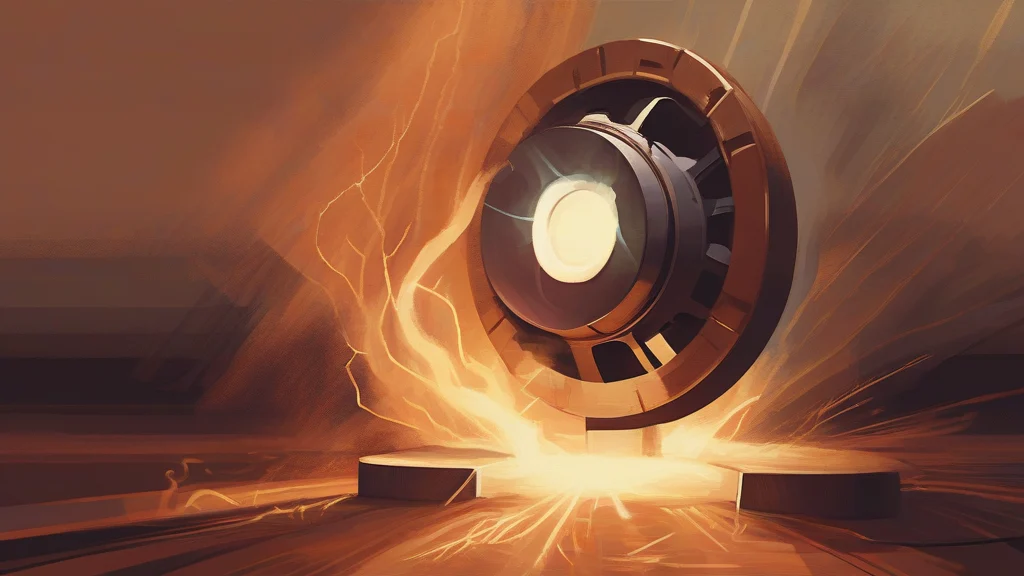
What does magneto mean?
A magneto is a generator that produces electrical current through the action of magnets. Its best-known use was in early internal-combustion engines, where it supplied the high-voltage current required to create a spark for ignition. In a typical installation, the engine’s rotation drove the magneto, making it an important part of the vehicle’s electrical system. Before electronic and solid-state ignition systems became widespread, a magneto was especially valued for helping an engine start reliably. The term can also refer more generally to any generator employing rotating magnets. Today, “magneto” sounds mainly historical or technical and is encountered in discussions of vintage vehicles, motorcycles, aircraft engines, and electrical machinery. It should not be confused with a magnet, which is the source of the magnetic effect, or with a magnate, which means a powerful person.
nounA machine that generates electricity by means of magnets, especially a compact generator fitted to an early internal-combustion engine to provide high-voltage current for spark ignition. The term is now chiefly historical or technical.
- A compact electromagnetic generator, especially one used in an early internal-combustion engine to generate the high-voltage current needed for spark ignition.
- More generally, a generator that produces electricity through the rotation of magnets.
"The mechanic replaced the faulty magneto before starting the vintage car."
"The magneto on the motorcycle was adjusted so that the engine would start reliably in wet weather."
"This laboratory magneto demonstrates the basic principle used in some early electrical generators."
The regular plural is “magnetos.”
"The technician tested both magnetos before adjusting the ignition timing."
Before electronic ignition, many cars carried their own spark-making power: the spinning magneto that helped start an engine.
Reviewed by Deb Chak, Editor. AI-assisted content curated by RJS Tech Solutions LLP.
Etymology of magneto
The word entered English in the early nineteenth century, formed from “magnet” and the combining form “-o.” Its ultimate source is Greek magnētis, meaning “magnet,” which came through Latin magneticus and magnes, “lodestone.” Related English words such as magnetic, magnetism, and magnetize reflect the same ancient root.
How magneto is actually used
The word is mainly historical, technical, and associated with early automobiles, motorcycles, and other internal-combustion engines. It is less common in modern general usage, since electronic ignition systems have largely replaced magnetos.
Easily confused with magneto
A magnet is an object or material that produces a magnetic field or attracts ferromagnetic objects, whereas a magneto is a machine that generates electricity using magnetic effects.
A magnate is a powerful or influential person, while a magneto is an electrical generator, especially one used for ignition in an early engine.