
What does malaria mean?
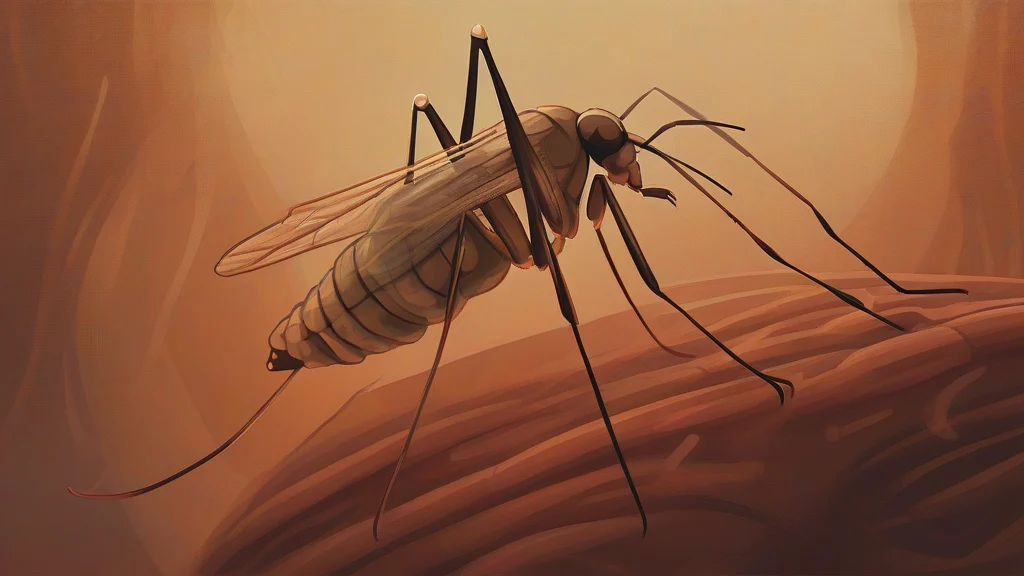
Malaria is an infectious disease caused by parasites of the genus Plasmodium and spread mainly through the bites of infected female Anopheles mosquitoes. It is most prevalent in tropical and subtropical regions where suitable mosquito habitats and the parasites are present, although cases also occur among travelers and people moving from affected areas. Symptoms commonly include fever, chills, sweating, headache, fatigue, nausea, and muscle aches. Severe malaria can cause anemia, kidney injury, breathing difficulty, seizures, coma, or death. The word is especially associated with the history of tropical medicine and with international efforts to control mosquito transmission, provide preventive treatment, and expand access to effective medicines. A mosquito-borne disease with a long and tragic global history, malaria has become a major target of public-health campaigns and scientific research.
nounAn infectious disease caused by Plasmodium parasites, transmitted to humans through the bite of an infected female Anopheles mosquito. It is characterized by fever, chills, sweats, headache, and, in severe cases, complications affecting the blood, brain, kidneys, or other organs.
- The infectious disease caused by Plasmodium parasites and transmitted chiefly by infected female Anopheles mosquitoes.
"The organization works to improve access to malaria prevention, diagnosis, and treatment in affected communities."
"Researchers are developing new drugs to combat drug-resistant malaria."
"The clinic recorded an increase in malaria cases following unusually heavy rainfall."
The plural is used when referring to multiple cases of the disease, especially in medical and public-health reports.
"The number of malarias reported in the district declined after the mosquito-control program began."
Malaria was once believed to be caused by poisonous air near marshes; its name still preserves that abandoned theory, even though the disease is transmitted by mosquitoes.
Reviewed by Deb Chak, Editor. AI-assisted content curated by RJS Tech Solutions LLP.
Where does malaria come from?
The English word malaria comes from Italian, in which mal'aria literally means “bad air.” The expression arose in the 18th century from the widespread belief that the disease was caused by poisonous air, especially around marshes and wetlands. Its elements reflect Latin roots: malus, “bad,” and aer, “air.” The theory of contaminated air was eventually disproved, and the disease was understood to be transmitted by mosquitoes.
Related word forms
How malaria is actually used
The term is used internationally in medical, public-health, and scientific contexts. It is also used figuratively in phrases such as 'malaria of the mind,' but this literary use is uncommon and generally refers to an obsessive or disordered state of mind.