
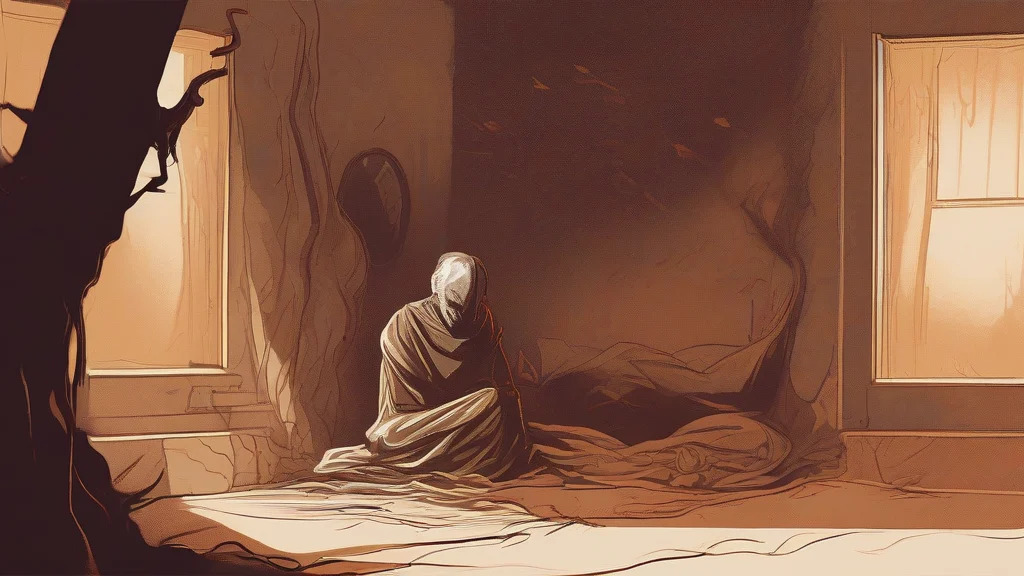
What does maledicted mean?
Maledicted is a formal, literary adjective meaning cursed, doomed to misfortune, or fiercely detested. Unlike many emotional intensifiers, it has a long history in religious and literary English, where curses were treated as forces that could actually shape a person’s fate. The word is especially evocative in fantasy, historical fiction, and dramatic prose, but it also appears in ordinary speech when someone wants to express exasperation or a sense of persistent ill luck. Its Latin ancestry is revealing: the underlying verb meant “to speak evil against someone,” so a malediction is literally an ill word directed at a person. Today the word most often suggests a sinister fate rather than a specific religious curse, while figurative uses may convey strong hatred as well as misfortune. It is consequently a useful literary alternative to “cursed” or “ill-fated,” carrying both doom and emotional force.
adjectiveAffected by a curse or doomed to misfortune. It can also mean intensely detested or condemned.
- Affected by a curse or supernatural ill will.
- Doomed to misfortune or an unhappy fate.
- Strongly detested, hated, or condemned.
"After the third engine failure, the crew felt maledicted."
"The heroes entered the maledicted temple despite the warnings of the villagers."
"The company was maledicted after losing its most important contract."
Its Latin ancestor literally meant “to speak evil against someone”: a curse began as an ill word aimed at a victim.
Reviewed by Deb Chak, Editor. AI-assisted content curated by RJS Tech Solutions LLP.
Where does maledicted come from?
Maledicted comes from Latin maledictus, the past participle of maledicere, meaning “to speak evil against” or “to curse.” The Latin verb combines male-, meaning “ill,” with dicere, meaning “to say.” By the early modern period, the word had entered English in both literal and figurative senses; related forms include malediction, while cognates built on Latin dicere include predict and contradict.
How maledicted is actually used
The word is chiefly literary, dramatic, or archaic in tone. It may suggest literal supernatural curses, persistent misfortune, or figurative hatred and condemnation. Its use in ordinary conversation is usually deliberately colorful.
Easily confused with maledicted
Maledicted means cursed, doomed, or intensely detested, whereas maligned means falsely slandered or harmfully spoken against.