
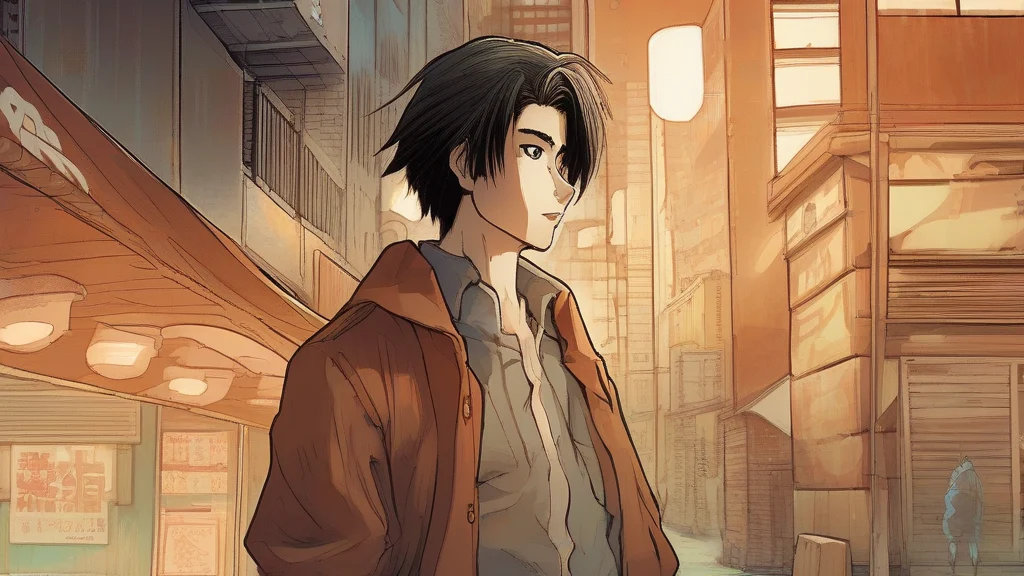
What does manga mean?
Manga denotes a form of visual storytelling that originated in Japan and is now enjoyed by readers worldwide. A manga is a comic book or graphic narrative whose combination of drawings, dialogue, pacing, and sound effects can create elaborate fictional worlds. Traditional Japanese manga is usually read from right to left, although translations and digital releases may reverse the page order. The term most commonly refers to comics produced in Japan, but it can also describe later works that adopt the conventions, visual style, or narrative approach associated with the medium. Manga ranges from serialized action, romance, comedy, and historical adventure to quieter autobiographical and literary works, so it should not be equated with a single genre. Its English history lies in the direct borrowing of the Japanese term, and its worldwide popularity has made manga an important influence on contemporary comics, animation, illustration, and popular culture.
nounA Japanese comic book or graphic narrative, typically composed of illustrated panels and originally read from right to left. The term may also refer more broadly to comics created in the Japanese manga tradition.
- A comic book or graphic narrative originating in Japan, traditionally presented in panels, read from right to left, and often serialized for publication.
"She spent the summer reading a historical manga that combined intricate artwork with a richly imagined world."
"The new manga brings a legendary swordfighter to life through expressive drawings and carefully paced dialogue."
"Collectors attended the exhibition to examine original manga pages and discuss the evolution of the medium."
Manga is commonly used as an invariant plural, especially for Japanese comics as a category; the plural mangas is also encountered but is less usual in edited English.
"The shop specializes in manga and graphic novels from Japan."
Many manga are still read from right to left, reversing the page order familiar to most Western readers.
Reviewed by Deb Chak, Editor. AI-assisted content curated by RJS Tech Solutions LLP.
Where does manga come from?
The English word is borrowed directly from Japanese 漫画, read manga. Japanese 漫画 combines 漫, associated with something unrestrained, fanciful, or flowing, with 画, meaning a picture or drawing; the accompanying が (ga) is a topic particle. In Japanese, the compound refers to comic pictures, and in English it became established as the name for Japanese comics.
Related word forms
How manga is actually used
In English, manga ordinarily identifies Japanese comics or works belonging to the Japanese manga tradition, rather than comics in general. The singular form can refer to one work, while the plural manga is commonly treated as invariant.
Easily confused with manga
Manga are comics originating in Japan, whereas manhwa are comics originating in South Korea.