
What does manoeuvre mean?
A manoeuvre is a planned movement or action, especially one involving troops, vehicles, diplomacy, or political strategy. The word often suggests that an actor is deliberately managing a situation rather than acting directly or openly. A military manoeuvre may involve the movement or positioning of forces and equipment, while a diplomatic manoeuvre is a subtle effort to influence negotiations or gain support. In everyday and professional contexts, the verb manoeuvre means to move skilfully through a difficult situation or to arrange events to one's advantage. The term can suggest dexterity and planning, but it may also imply manipulation or evasion, depending on the context. Its British spelling is manoeuvre; the equivalent American spelling is maneuver. Related forms include the past tense manoeuvred and the present participle manoeuvring.
A planned movement or action, especially one involving military forces, vehicles, diplomacy, or political strategy.
"The peace talks were the result of a series of delicate diplomatic manoeuvres."
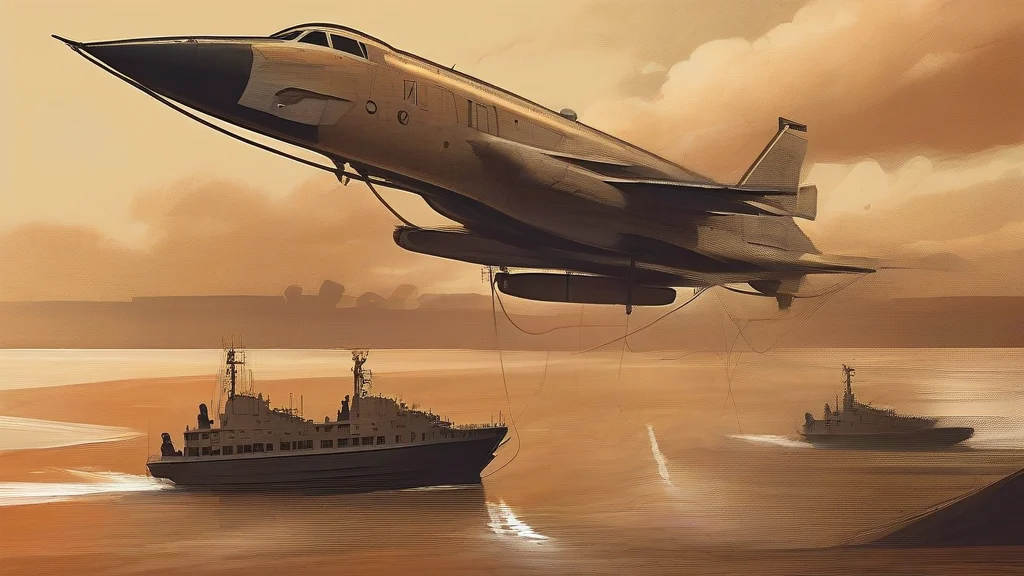
In military contexts, the word can describe a large training exercise or the movement of troops and equipment.
To move or act skilfully and deliberately in order to achieve an advantage, avoid difficulty, or obtain a desired result.
"He manoeuvred the boat through the narrow channel."
The verb may suggest either skilful control or deliberate manipulation, depending on context.
The plural is used for individual planned actions and for military movements or exercises, as in “military manoeuvres.”
"The troops practised their manoeuvres before dawn."
From the French for “handwork,” the word originally described work done by hand before it came to mean strategic movement.
Reviewed by Deb Chak, Editor. AI-assisted content curated by RJS Tech Solutions LLP.
Where does manoeuvre come from?
The word comes through French manœuvre, originally meaning manual or hand work, from Latin words for hand and work. It developed through the sense of a movement or operation performed by hand before being applied to physical manoeuvres and, later, to strategic actions and skilful handling of situations. The American spelling maneuver reflects a later simplified spelling of the same word.
Related word forms
How manoeuvre is actually used
The spelling manoeuvre is standard in British English; maneuver is the usual American spelling. In military contexts, the word often denotes a large, organised movement of troops or equipment, while in political and diplomatic contexts it can suggest a strategic or sometimes indirect effort to influence events.
Easily confused with manoeuvre
A manoeuvre is a planned movement or strategic action, whereas manure is waste material used as fertiliser.
Manoeuvre is the traditional British spelling of the American variant maneuver; both forms refer to a planned movement or skilful action.