
What does marshal mean?
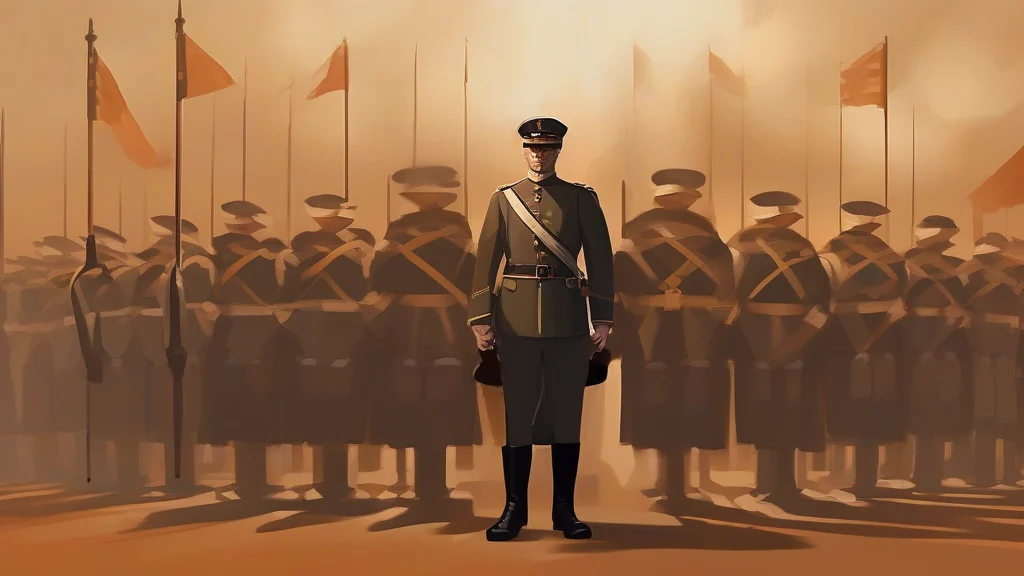
“Marshal” is chiefly a verb meaning to arrange, assemble, or direct people, forces, or resources with a view to orderly action. It is often used for formally bringing people together, deploying troops, or coordinating materials and support. As a noun, a marshal may manage the procedure of a ceremony or public event, hold a senior military title such as field marshal, or, in the United States, serve as a judicial officer who protects courts and enforces legal orders. The word carries a strong association with authority and order, but it can also suggest firm control when the circumstances are contentious. Its unusual history adds to its appeal: it began as a term connected with a servant responsible for horses and later developed into titles for high-ranking military and official roles. Today, it remains useful in public, legal, ceremonial, and military contexts.
To organize, assemble, or direct people, forces, or resources for a particular purpose or action.
"The authorities marshaled additional staff as the crowds arrived."
The verb often conveys formal organization, command, or the orderly positioning of people or resources.
An official who manages an event or ceremony, a senior military officer, or, in the United States, a judicial officer responsible for court security and legal processes.
"The marshal announced that the proceedings would begin shortly."
The meaning varies by context: ceremonial officials manage procedures, field marshals are senior military officers, and United States marshals are judicial officers.
The standard plural of the noun is “marshals.”
"Two marshals directed traffic outside the courthouse."
From the ancient idea of a “horse servant” to the title of field marshal, this word has always been associated with putting people and power in order.
Reviewed by Deb Chak, Editor. AI-assisted content curated by RJS Tech Solutions LLP.
Where does marshal come from?
The word entered English from Old French mareschal, originally denoting a high officer or keeper of horses. Its immediate source was late Latin mariscalcus, borrowed from Frankish *mariscalcus and generally traced to Proto-Germanic *marhskalkaz, a compound meaning “horse servant.” French maréchal, German Marschall, and Dutch maarschalk preserve related forms associated with this origin.
Related word forms
How marshal is actually used
The word usually has a formal tone and implies authority, control, or orderly organization. British spelling generally uses “marshalled” and “marshalling,” while American spelling commonly uses “marshaled” and “marshaling.”
Easily confused with marshal
A marshal organizes or commands people or resources, whereas martial describes something connected with military combat or warfare.