
What does mash mean?
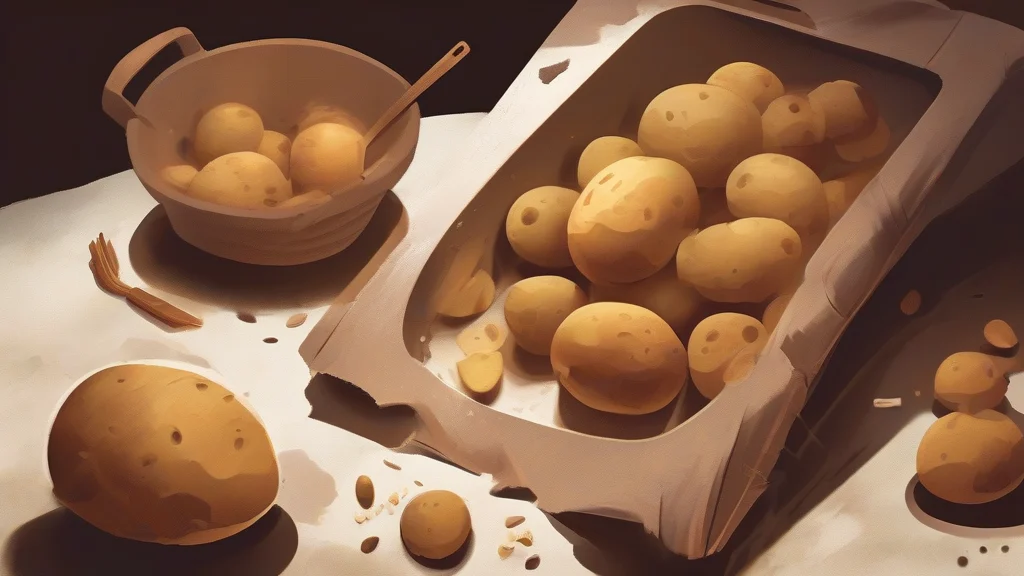
Mash is a versatile English word with both culinary and figurative uses. As a noun, it commonly means a soft, thick food made by crushing cooked potatoes or other ingredients. As a verb, it means to crush, pound, or mash something into a uniform mass. The word can also describe a jumbled collection or the act of combining songs, sounds, or different artistic influences into a new work. In British English, mash is frequently used as a familiar shorthand for mashed potatoes, although it is common in American English as well. Its simplicity makes it useful across everyday cooking, informal conversation, music, and creative production. The verb can suggest either practical preparation, as in mashing vegetables, or energetic transformation, as in mashing together musical sources. Although the word's ultimate historical origin is uncertain, its long-established English forms clearly reflect the idea of reducing food or other material to a soft, blended mass.
A soft, thick mixture made by crushing or pounding food, especially cooked potatoes; more generally, a confused collection or a musical work combining elements from different sources.
"The restaurant serves potato mash with grilled fish."
The culinary sense is particularly familiar in British English, where 'mash' can stand alone for mashed potatoes.
To crush or pound something into a soft, pulpy mass; informally, to combine different songs, sounds, styles, or influences into a single work.
"Mash the garlic and add it to the pan."
In creative and musical contexts, 'mash' often has an informal, playful tone.
The regular plural is rarely needed because the culinary sense is usually used in the singular or as part of a compound such as 'potato mash.'
"The menu offers several vegetable mashes."
From mashed potatoes to music made by combining songs, mash shows how one small word can move from the kitchen to the mixing console.
Reviewed by Deb Chak, Editor. AI-assisted content curated by RJS Tech Solutions LLP.
Where does mash come from?
Mash developed in English through noun and verb forms that became established during the medieval and early modern periods. The noun originally referred to a soft or pulpy mass, while the verb came to mean crushing or pounding something into such a mass. The precise origin of the word is uncertain, and it should not confidently be assigned to a particular foreign language or cognate family.
Related word forms
How mash is actually used
Mash is neutral in standard British and American English. In British English, it is especially common as shorthand for mashed potatoes. In music and creative contexts, mash and mash-up often have an informal, playful tone.
Easily confused with mash
Mash usually refers to food or other material that has been deliberately crushed into a soft mixture, whereas mush often means a soft, shapeless mass and can imply something vague or indistinct.