
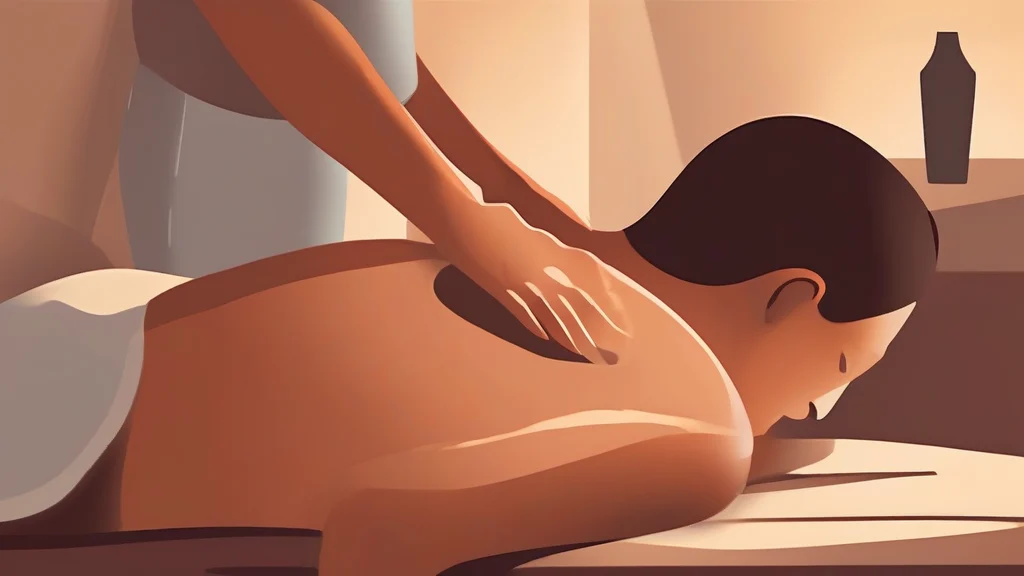
What does massaging mean?
Massaging is the -ing form of massage and describes the act of rubbing, kneading, and manipulating the body with the hands to relax the muscles or ease discomfort. In its physical sense, it commonly appears in descriptions of personal care, sports recovery, physiotherapy, and spa treatments, as in massaging tired shoulders. The word can also have a figurative, often critical sense: “massaging the data” or “massaging the figures” means adjusting information to create a more favorable impression or conceal an inconvenient result. This use may be neutral when manipulation is a deliberate analytical technique, but it frequently suggests distortion or selective reporting. As a gerund, massaging can name the activity itself; as a present participle, it shows an action in progress. The form is natural in both British and American English, though contexts vary from intimate and therapeutic to technical and journalistic. Its history reaches back through French massage to Arabic masḥ, meaning touching or rubbing, so the word's central idea remains tactile contact.
To rub, knead, or systematically manipulate someone's body to relax the muscles or ease discomfort; figuratively, to manipulate information or results to produce a more favorable impression.
"The therapist spent ten minutes massaging the runner's calves."
The figurative sense is frequently critical, especially when discussing statistics, reports, or evidence.
The activity or process of giving someone a massage by rubbing, kneading, or manipulating the body.
"The class included stretching and gentle massaging."
As a gerund noun, massaging is usually uncountable; countable plural uses are uncommon.
Rare and usually literary or figurative; the physical activity is normally treated as uncountable.
"The article compares several different massagings of the same passage."
From an Arabic word for touching or rubbing to modern spa language, massaging preserves a strikingly literal idea: using deliberate touch to ease the body.
Reviewed by Deb Chak, Editor. AI-assisted content curated by RJS Tech Solutions LLP.
Where does massaging come from?
Massaging is the present-participle and gerund form of massage. Massage entered English from French, ultimately deriving from Arabic masḥ, meaning touching or rubbing. The English present-participle formation followed ordinary inflection, while masseur and masseuse are French-derived members of the same word family.
How massaging is actually used
Massaging may function as a present participle, as in “He is massaging his feet,” or as a gerund, as in “Massaging can help relieve tension.” Its figurative use is often mildly disapproving, implying distortion or selective reporting, although it can be neutral in technical or analytical contexts. There is no substantial British–American difference.