
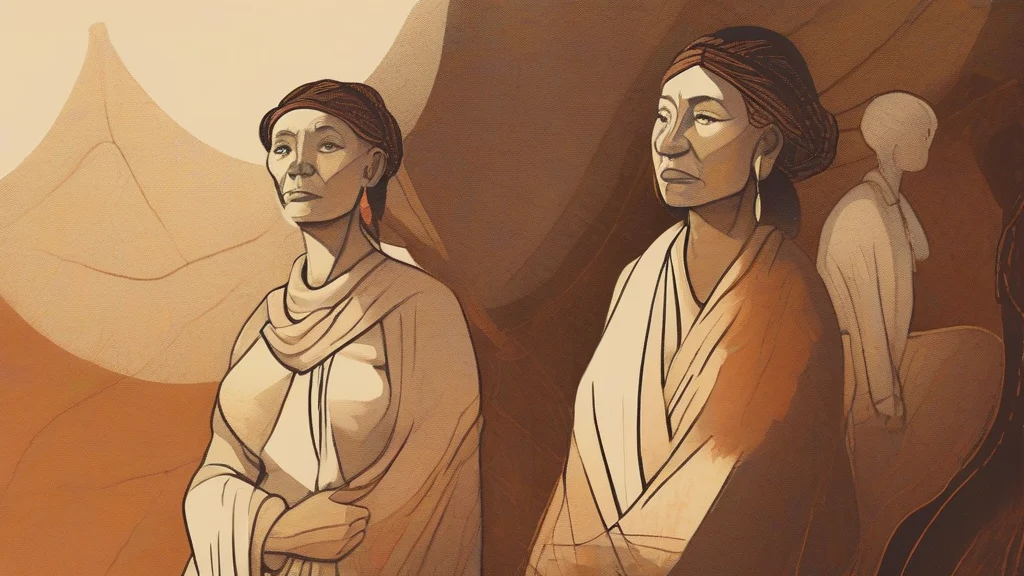
What does matriarchate mean?
A matriarchate is a social or political system in which women hold the leading positions of authority, often under the dominance of a matriarch. It can also refer more narrowly to the office or power of the senior woman in a family or group. The term is chiefly encountered in historical analysis, political discussion, anthropology, and speculative writing. It should not be confused with matriarchy, which names the broader form of social organization; a matriarchate more specifically suggests authority exercised through a matriarch. The word is especially associated with descriptions of royal courts, clans, households, and imagined societies. Because it is relatively uncommon and can sound literary or theoretical, ordinary discussion of women’s leadership is more often expressed through ordinary language such as female rule, women’s leadership, or matriarchal government. The term also has a clear structural counterpart in patriarchate, a system of male authority traditionally associated with the eldest or most senior man.
A society or social system governed or dominated by women, especially by a matriarch.
"An early account describes the island as a matriarchate whose queen inherited the authority of the leading clan."
The term is uncommon and is more typical of historical, anthropological, political, and speculative writing than everyday speech.
The position or authority of a matriarch.
"Following her mother's death, she inherited the matriarchate of the household."
This rarer sense emphasizes the power or status of an individual matriarch rather than the wider system.
The plural is used when referring to multiple female-ruled societies or to distinct forms of matriarchal organization.
"The historian compared the matriarchates of several small island communities."
Matriarchate is the female counterpart of a patriarchate: a political or familial order represented by the authority of the leading woman.
Reviewed by Deb Chak, Editor. AI-assisted content curated by RJS Tech Solutions LLP.
Where does matriarchate come from?
Matriarchate was formed in the 19th century from matriarch and the suffix -ate, patterned on the established word patriarchate. Matriarch itself came through Late Latin from Greek matriarkhē, a feminine ruler, ultimately associated with the Greek word mētēr, meaning mother. The formation reflects the word’s close structural relationship to matriarchy and its male counterpart, patriarchate.
How matriarchate is actually used
The term is relatively uncommon and is chiefly used in historical, political, anthropological, or speculative contexts. It usually implies rule by one or a few women rather than merely equal political authority for all women.
Easily confused with matriarchate
A matriarchy is a form of social organization in which women hold primary authority, whereas a matriarchate more specifically suggests such a system under the rule or dominance of a matriarch.