
What does mesozoic mean?
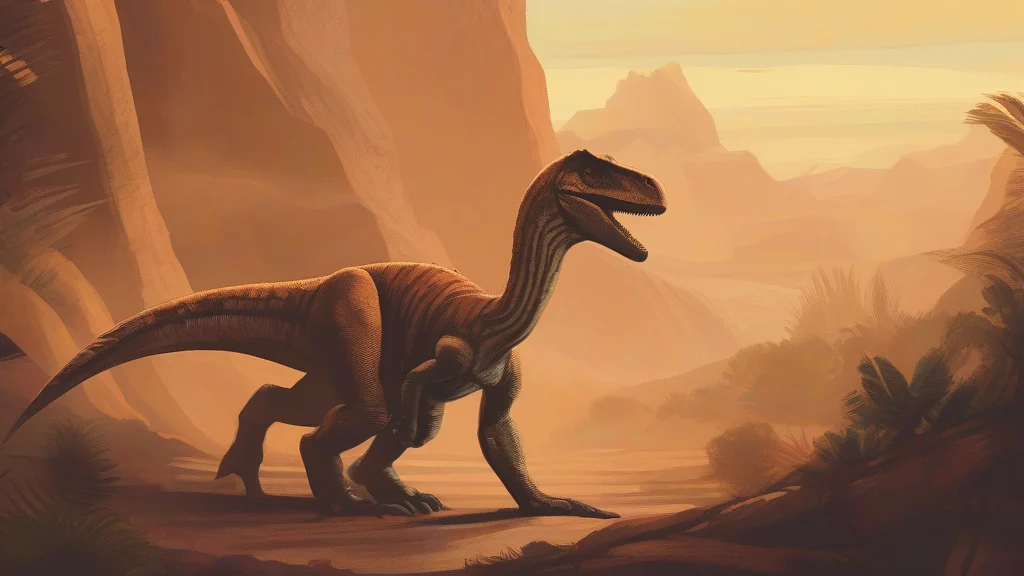
The word Mesozoic refers to the geological era that lasted from approximately 252 million to 66 million years ago, between the Paleozoic and Cenozoic eras. It is especially associated with the dinosaurs, but the term also encompasses the development of many other animals, plants, and marine organisms. As an adjective, “Mesozoic” describes rocks, fossils, environments, or biological forms connected with this interval; as a noun, it names the era itself. The term comes from Greek elements meaning “middle” and “life,” reflecting its position between earlier and later eras. It is most often used in geology, paleontology, natural history, and education. In general writing, the capitalized form “Mesozoic” is conventional when referring to the formal geological period, while lowercase use may occur in less specialized contexts.
Relating to the Mesozoic Era, its geological interval, or the organisms and fossils associated with it.
"The cliffs contain numerous Mesozoic fossils."
Capitalization is customary when the adjective refers to the formal geological era.
The Mesozoic Era, a major interval of geological time extending from about 252 million to 66 million years ago.
"Dinosaurs flourished during the Mesozoic."
Usually capitalized as a formal geological period name.
Mesozoic means “middle life”: the name marks the era between ancient life and the age of mammals and modern ecosystems.
Reviewed by Deb Chak, Editor. AI-assisted content curated by RJS Tech Solutions LLP.
Etymology of mesozoic
Mesozoic is formed from the combining form meso-, meaning “middle,” and the Greek-derived suffix -zoic, meaning “life.” The name refers to the “middle life” of Earth’s history because the era lies between the Paleozoic and Cenozoic. Its closest geological relatives include the older Paleozoic and younger Cenozoic, all of which use the same life-related suffix in their names.
How mesozoic is actually used
The capitalized form is standard when referring specifically to the named geological era. In broader scientific and educational writing, it is often used to characterize fossils, environments, and life from that interval.
Easily confused with mesozoic
The Mesozoic is the era after the Paleozoic and is commonly associated with the age of dinosaurs.
The Cenozoic is the most recent major geological era, following the Mesozoic.