
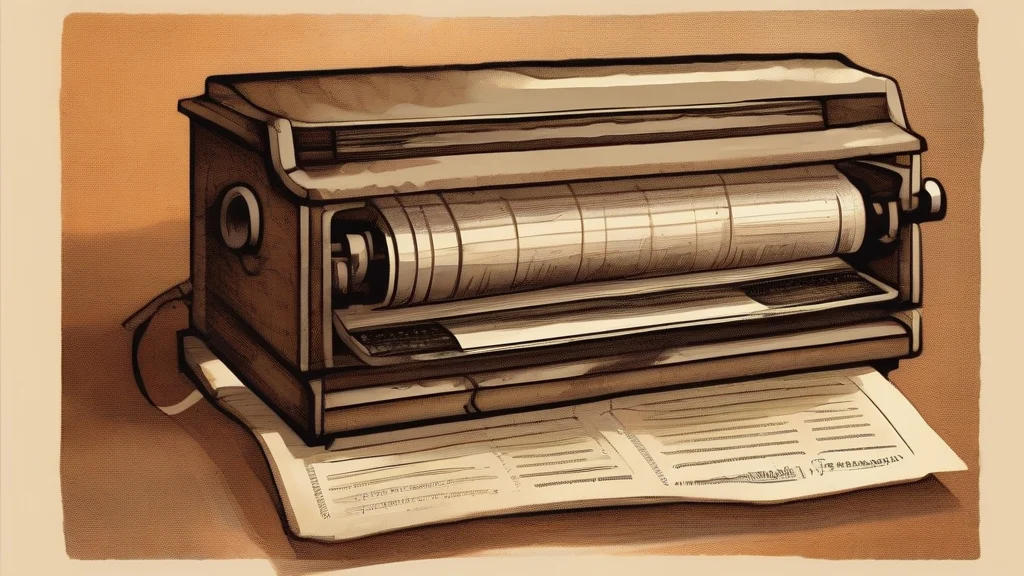
What does mimeographed mean?
Mimeographed is the past tense and past participle of mimeograph and is also used as an adjective for documents or texts produced with that method. A mimeograph used a thin stencil through which ink was pressed or rolled, allowing a handwritten or typed original to generate numerous copies. In a sentence, “The committee mimeographed the notices” describes an action, while “a mimeographed newsletter” identifies the resulting object. The expression carries a distinctly historical or nostalgic tone because mimeographs were once common in schools, offices, clubs, and community organisations but have largely been replaced by photocopiers and digital printing. It can therefore suggest modest means, administrative efficiency, or an earlier era of near-handwritten communication. The word is especially useful when describing the material culture and everyday practices of the twentieth century.
To reproduce or duplicate a document using a mimeograph machine.
"The secretary mimeographed the announcement and circulated it among the members."
This form is the simple past tense and past participle of “mimeograph.” Its present-day use is mainly historical or nostalgic.
Made or reproduced by means of a mimeograph machine.
"The museum displayed a stack of mimeographed event programmes."
Usually used with a document or printed object, such as copies, leaflets, notices, or circulars.
Before photocopiers took over, mimeograph machines let offices fan out identical notices through inked stencils.
Reviewed by Deb Chak, Editor. AI-assisted content curated by RJS Tech Solutions LLP.
Where does mimeographed come from?
“Mimeographed” was formed by adding the past-tense or participial ending -ed to “mimeograph.” “Mimeograph” combines the Greek mimos, meaning an imitator or mimic, with -graph, ultimately associated with Greek graphein, “to write.” The compound referred to a method and machine for reproducing written material through a stencil.
How mimeographed is actually used
The word is now dated in ordinary contemporary use, especially because photocopiers and digital printing have largely replaced mimeographing. It remains common in historical descriptions and nostalgic or institutional contexts.
Easily confused with mimeographed
A mimeograph is the stencil-duplicating machine or the process itself, whereas mimeographed describes something produced with such a machine.