
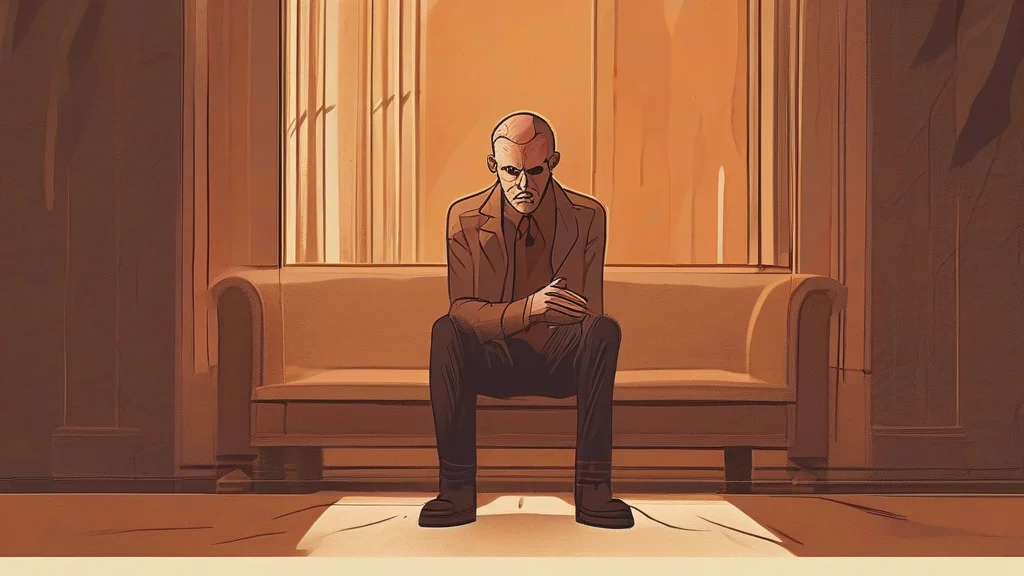
What does misanthrope mean?
A misanthrope is someone who dislikes humanity, distrusts other people, or withdraws from social life because of a pessimistic view of human nature. The word is more literary and more sharply judgmental than terms such as “shy” or “reserved,” suggesting an enduring distrust rather than a temporary mood. It can be used seriously, as when describing a character who avoids intimacy, or humorously, as a label for a person who prefers solitude to company. Although the term often implies excessive suspicion or even caricature, it need not mean that the person is actively hostile; many misanthropes simply avoid close relationships and public interaction. In contemporary use, the word is most often encountered in literature, essays, and playful descriptions of famously private or cynical people. Its power lies in its specificity: it names a supposed relationship to humanity as a whole, not merely reluctance to socialize with a particular group.
nounA misanthrope is a person who dislikes or distrusts humanity and tends to avoid social contact. The term can describe a habitual, conspicuous hostility toward people, but it is sometimes used more generally for someone who is reserved or cynical about human nature.
- A person who dislikes, distrusts, or actively avoids other people and human society in general.
"Despite his reputation as a misanthrope, he surprised everyone by organizing a neighborhood food drive."
"The novel's narrator presents himself as a misanthrope, suspicious of every conversation and friendship."
"Friends challenged the stereotype of the reclusive misanthrope by inviting him to join their regular game night."
"Her comments were sometimes dismissed as those of a misanthrope, although she was merely criticizing careless behavior."
The regular plural is used for multiple people who dislike or distrust humanity.
"The novel portrays the misanthropes as isolated figures who nevertheless influence the community around them."
The word combines Greek roots for “hating” and “humanity,” making it a compact label for someone who has turned suspicion of people into a public identity.
Reviewed by Deb Chak, Editor. AI-assisted content curated by RJS Tech Solutions LLP.
Where does misanthrope come from?
The word comes from Greek misanthropos, formed from misein, “to hate,” and anthropos, “human being.” It entered English in the 17th century, initially in the context of moral discussion about whether humanity was fundamentally selfish or corrupt. The related noun misanthropy and adjective misanthropic were also formed from the same Greek elements, while words such as anthropology and anthropophagus preserve the anthropos component in other formations.
Related word forms
How misanthrope is actually used
This is a relatively literary and occasionally satirical term. It is stronger than simply being shy or solitary and can sound dismissive when applied to someone who is merely quiet or unpopular; the choice of word can itself convey a critical judgment.
Easily confused with misanthrope
A misanthrope is a person who dislikes humanity, whereas misanthropy is the quality or state of disliking humanity.