
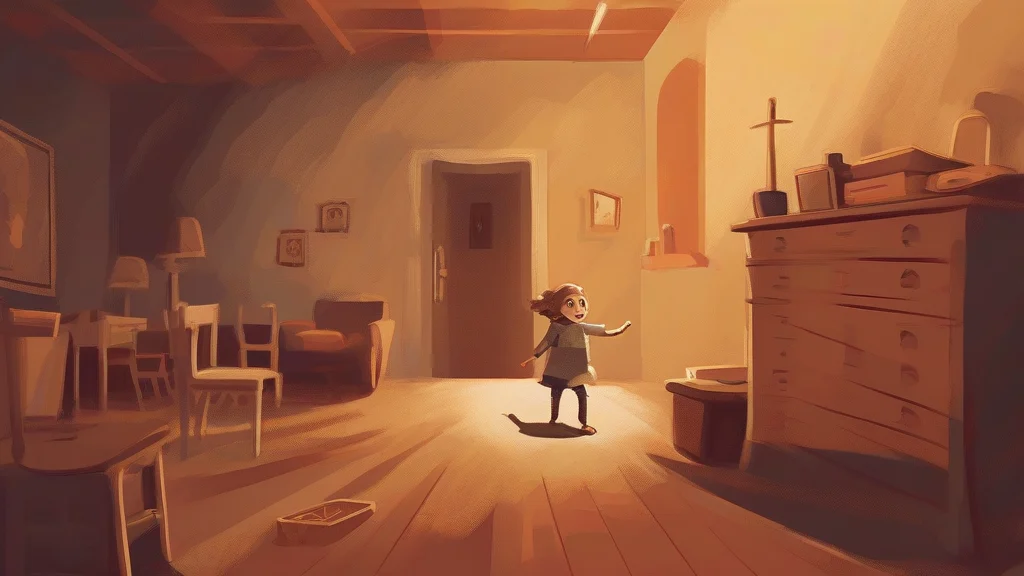
What does mischievousness mean?
Mischievousness is the quality of being playful, teasing, and inclined to harmless pranks or minor disorder. It often describes children whose behaviour is lively rather than genuinely harmful, although the term can also suggest a roguish or teasing attitude in adults. In literature and conversation, it carries a warmer, more affectionate tone than words such as “wickedness” or “troublemaking,” while still conveying that the person or situation is not entirely serious. The word is useful when describing behaviour as a character or disposition rather than identifying a particular incident. It can appear in phrases such as “a hint of mischievousness” and “full of mischievousness,” and is especially common in descriptions of children, animals, and playful wit.
nounMischievousness is playful behaviour involving harmless pranks, teasing, or an urge to cause minor disruption. It can also suggest a mischievous disposition or tendency.
- Playful behaviour involving harmless pranks, teasing, or minor disruption.
- A playful or impish quality or disposition.
"Her mischievousness was harmless, but her brother still had to watch the carefully arranged kitchen."
"The children's mischievousness turned the quiet afternoon into an improvised treasure hunt."
"His answer was marked by a mischievousness that made the question seem less serious than it really was."
Usually uncountable in ordinary usage, but the plural is possible when referring to different instances or kinds of mischievous behaviour.
"The novel explores the different mischievousnesses of childhood."
Mischievousness is the gentle art of turning an ordinary moment into a tiny adventure.
Reviewed by Deb Chak, Editor. AI-assisted content curated by RJS Tech Solutions LLP.
Where does mischievousness come from?
The word comes through the English history of “mischief,” a word that developed from Anglo-French and Old French forms associated with harm or misfortune. The modern sense of playful, teasing trouble developed later and is now the dominant meaning of “mischievousness.” Its related adjective “mischievous” preserves the same sense of playful disruption, while “mischief-maker” refers to someone who causes such trouble.
Related word forms
How mischievousness is actually used
Usually neutral or mildly approving when referring to children and playful humour; it can sound more critical when describing repeated disruption or deliberate provocation.
Easily confused with mischievousness
Mischief refers to disruptive or teasing activity, whereas mischievousness refers more broadly to the quality or tendency to behave in that way.