
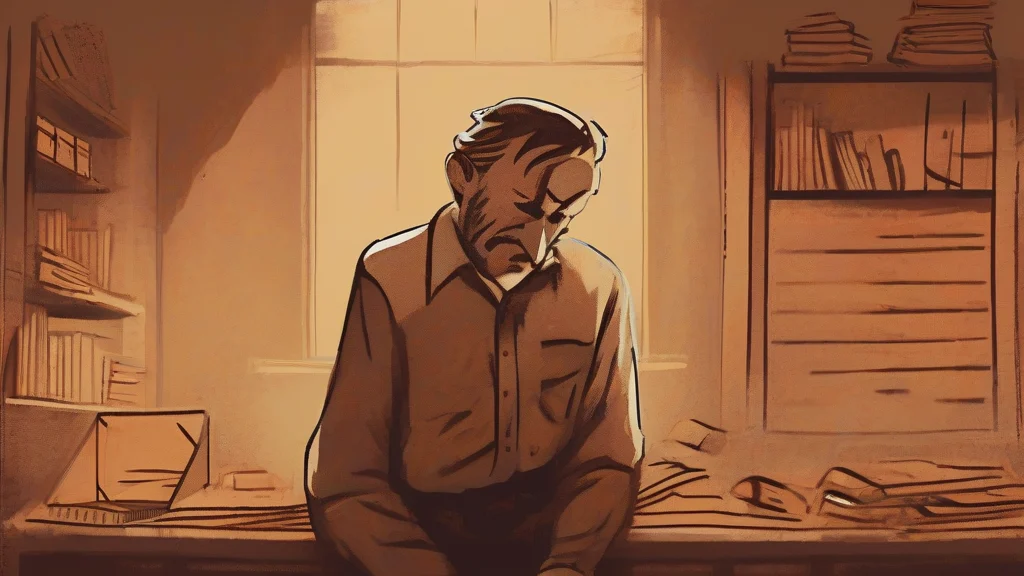
What does mishandle mean?
Mishandle means to handle, manage, or deal with something badly. It commonly describes mistakes involving information, complaints, opportunities, equipment, or responsibilities. For example, an organisation may mishandle a customer complaint by losing it, responding carelessly, or failing to act on it. The word also suggests that mistakes arose from poor handling rather than from circumstances that were entirely outside the person’s control. Its prefix, mis-, makes the unsuccessful nature of the action explicit, while handle supplies the idea of managing or dealing with something. Mishandle is more emphatic than simply make a mistake because it implies mishandling rather than an incidental error. It is widely understood in British and American English and is especially useful when describing preventable failures in administration, communication, or the treatment of people or objects.
verbTo handle, manage, or treat something badly or improperly.
- To handle, manage, or treat something badly or incorrectly.
"Careless officials mishandled the application and delayed the response."
"The company mishandled several complaints and damaged its reputation."
"Do not mishandle the equipment; read the instructions before moving it."
Mishandle joins the transparent prefix mis- to handle, making it a warning that something has gone wrong in the very act of managing it.
Reviewed by Deb Chak, Editor. AI-assisted content curated by RJS Tech Solutions LLP.
Where does mishandle come from?
Mishandle was formed in English by combining the prefix mis-, meaning wrongly or badly, with handle. Handle comes from Old English handlian, meaning to take hold of or deal with, and is related to hand. The prefix-plus-root construction reflects a broader English pattern in which mis- forms an adjective from a verb, as in mistake, misuse, and misdirect.
Related word forms
How mishandle is actually used
The word is common in formal and informal English. It is especially used for errors in handling information, complaints, opportunities, equipment, or responsibilities.