
What does mollusk mean?
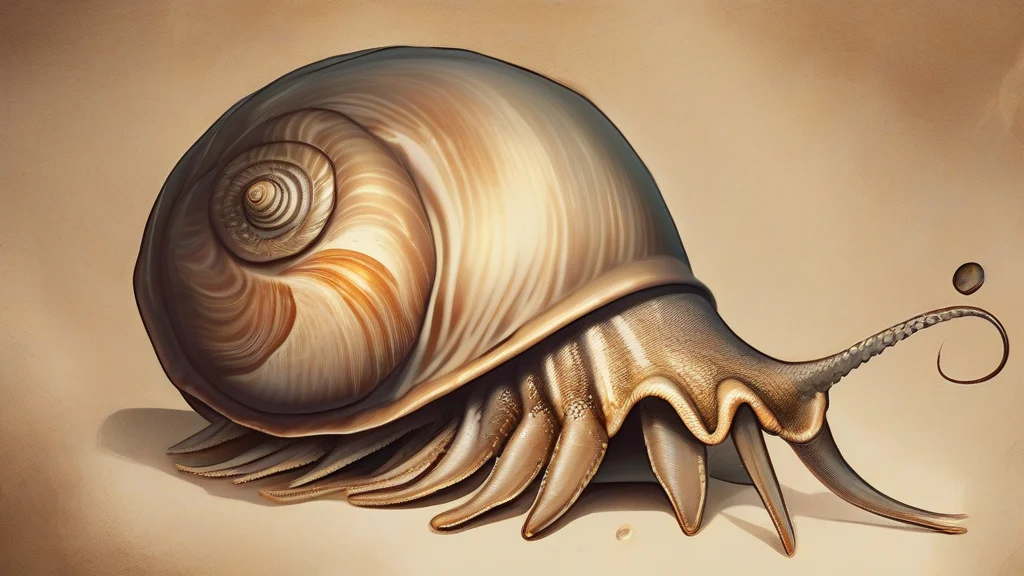
A mollusk is a soft-bodied invertebrate in the phylum Mollusca, a remarkably diverse group that includes snails, slugs, clams, mussels, oysters, squid, cuttlefish, and octopuses. Although many mollusks have hard shells, the name refers to their generally soft bodies, and some major members, such as octopuses and many slugs, have no shell at all. Mollusks live in freshwater, saltwater, and damp terrestrial habitats, and they range from tiny microscopic organisms to large species such as the giant squid. The word is especially common in biology, ecology, and discussions of ocean life. It should not be confused with crustaceans: crabs, lobsters, and shrimp are arthropods, with jointed limbs and a segmented outer skeleton.
nounA soft-bodied invertebrate animal, typically one with a hard shell, belonging to the taxonomic group Mollusca. The group includes snails, slugs, clams, oysters, squids, and octopuses.
- Any soft-bodied invertebrate belonging to the taxonomic phylum Mollusca, usually with a shell but sometimes without one.
"The tide pool was crowded with colorful mollusks, including limpets and small crabs attached to the rocks."
"Collectors search the beach for mollusk shells with unusual markings and spiral forms."
"Marine biologists are monitoring mollusk populations to understand the effects of warming seas and ocean acidification."
The standard plural adds -s; the spelling molluscs is also seen, particularly in British usage.
"These mollusks feed on algae growing on the rocks."
A mollusk can live without a shell: the octopus and many slugs are mollusks too.
Reviewed by Deb Chak, Editor. AI-assisted content curated by RJS Tech Solutions LLP.
Where does mollusk come from?
The word comes through French mollusque from Latin molluscus, an adjective meaning “soft” or “mollusk-like.” Latin molluscus was derived from mollis, meaning “soft.” The same Latin root lies behind English words such as mollify and mollitude, although their modern meanings are less directly connected to zoology.
Related word forms
How mollusk is actually used
In American English, mollusk is the usual spelling. Mollusc is the more common British spelling, although mollusk is also accepted in British English.
Easily confused with mollusk
A mollusk is generally soft-bodied and belongs to Mollusca, whereas a crustacean is an arthropod with a segmented exoskeleton, such as a crab, lobster, or shrimp.