
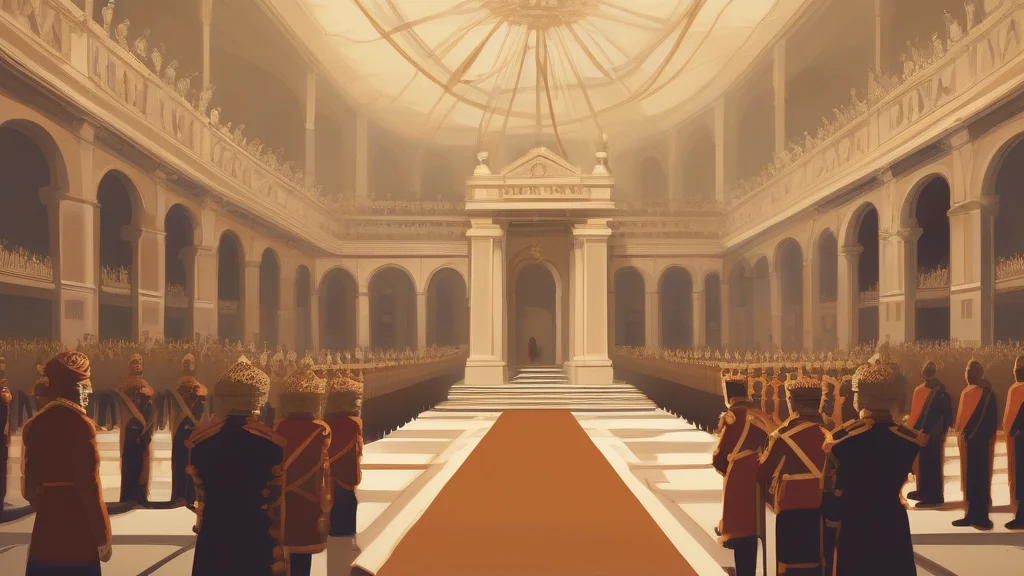
What does monarchy mean?
A monarchy is a state in which a monarch, such as a king, queen, emperor, or empress, is the head of state. It may also refer more broadly to the institution or form of government associated with monarchical rule. Monarchies range from absolute systems, in which the monarch holds substantial governing power, to constitutional monarchies, where authority is concentrated in elected institutions and the monarch acts largely ceremonially. The word can also be used critically to describe rule by one dominant individual or family. In everyday discussion, “monarchy” often carries historical or traditional associations, while “constitutional monarchy” usually indicates a more limited and representative political arrangement.
nounA form of government in which a monarch is the head of state, or a state governed by such a system.
- A state or political system governed by a monarch.
- The institution or form of government associated with rule by a monarch.
"The country remained a constitutional monarchy throughout the gradual transfer of political authority to parliament."
"The monarchy has remained a stable institution despite several changes of government."
"Millions gathered to celebrate the anniversary of the constitutional monarchy."
The plural refers to monarchical states, to monarchical institutions collectively, or to different historical monarchies.
"Several European monarchies retain monarchs with largely ceremonial duties."
The same crown can preside over an absolute monarchy or a constitutional monarchy, with vastly different powers in each.
Reviewed by Deb Chak, Editor. AI-assisted content curated by RJS Tech Solutions LLP.
Where does monarchy come from?
The word entered English through Old French monarchie, derived from Latin monarchia. Latin monarchia came from Greek monarchia, a word built from monos, meaning “alone” or “single,” and archein, meaning “to rule.” The same Greek roots underlie monarch and the related political terms monarchist, monarchical, and monarchism.
Related word forms
How monarchy is actually used
In modern usage, “monarchy” includes constitutional systems in which the monarch has little or no effective governing power. The term is also used figuratively for a political system dominated by a single ruler or ruling family.
Easily confused with monarchy
A monarchy is headed by a monarch, whereas a democracy derives its authority from the people, usually through elected representatives.
A monarchy is headed by a monarch, while a republic has no monarch and is typically headed by an elected president.