
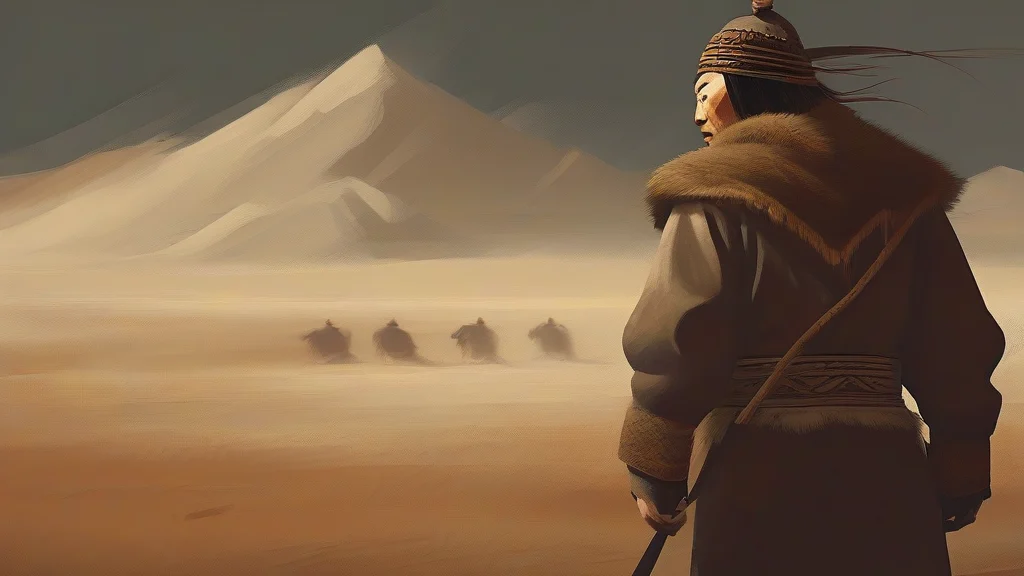
What does mongol mean?
Mongol denotes a member of the Mongolic peoples, particularly the people whose armies and rulers created the vast Mongol Empire during the 13th century. The term can also function attributively in names such as Mongol Empire, Mongol dynasty, and Mongol army. Historically, the Mongols were distinguished by their exceptionally mobile cavalry, sophisticated communications systems, and ability to incorporate soldiers from many conquered populations. Their empire connected much of Eurasia, facilitating travel, trade, and cultural exchange while also causing enormous destruction and loss of life. In contemporary usage, Mongolian is commonly used for the language and sometimes as a broader cultural or geographic adjective, whereas Mongol tends to emphasize the historical peoples or their imperial formations. The word is not restricted to central Mongolia: Mongol communities and Mongol-derived states have long been important across Central Asia, Russia, China, and the Middle East.
A member of the Mongolic peoples, especially one of the people who established or ruled the Mongol Empire.
"A Mongol envoy entered the city carrying an offer of peace."
Usually capitalized when referring to the historical people or their descendants.
Relating to the Mongols, the Mongol Empire, or the historical states and cultures associated with them.
"The trade routes flourished under Mongol rule."
Normally capitalized, as in Mongol Empire and Mongol cavalry.
Used for members of the Mongolic peoples or for multiple people belonging to the historical Mongol peoples.
"The Mongols adapted their tactics to different landscapes and enemies."
In the 13th century, the Mongols built the largest contiguous land empire in history, linking much of Eurasia under a single political order.
Reviewed by Deb Chak, Editor. AI-assisted content curated by RJS Tech Solutions LLP.
Where does mongol come from?
The English word Mongol comes through European forms ultimately based on the name used by the Mongolic peoples for themselves. During the medieval period, the term became closely associated with the people and rulers of the Mongol Empire, whose expansion profoundly affected Eurasia. Mongolian subsequently became the standard name for the principal language of the Mongolic peoples, while Mongol remained common in historical and cultural references.
Related word forms
How mongol is actually used
The capitalized form Mongol is standard for the historical people and for members of those peoples. The adjective is also normally capitalized, as in Mongol Empire. Mongolian is the conventional name for the language and is often used more broadly when referring to the Mongolic peoples.
Easily confused with mongol
Mongol usually refers to a member or cultural-historical group of the Mongolic peoples, whereas Mongolian is commonly used for their language and as the broader adjective; the terms overlap in modern usage.