What does monochord mean?
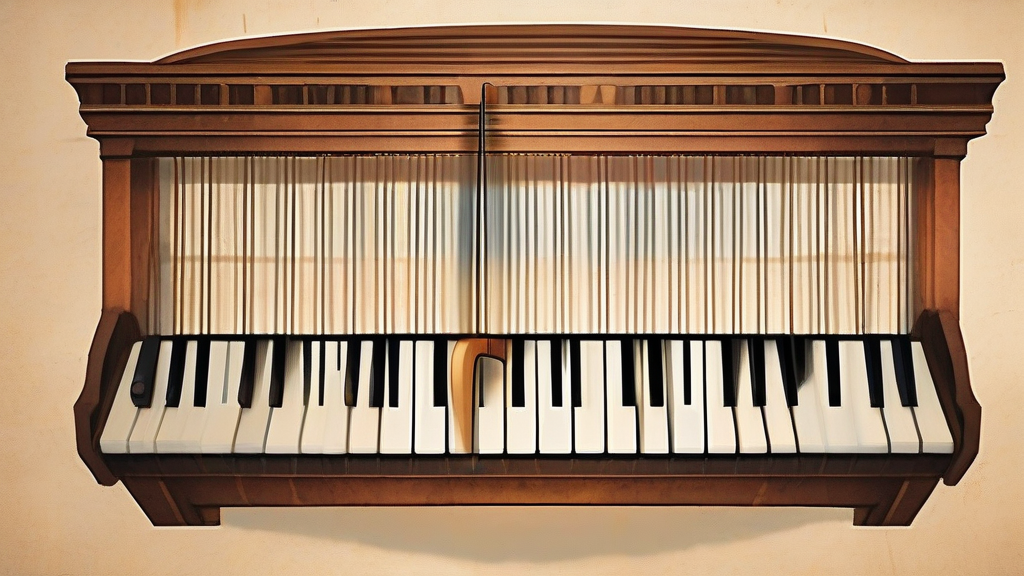
The monochord is a musical instrument with a rich history, dating back to ancient Greece. It consists of a single string stretched between two bridges, creating a unique sound. The term monochord is often used in historical or academic contexts to describe ancient Greek music. In modern times, the term is sometimes used to describe a single-stringed instrument with a similar sound. The monochord's simplicity and versatility have made it a popular choice for musicians and composers throughout history. Its haunting melodies and rich tones have captivated audiences for centuries. The monochord's significance extends beyond its musical value, representing a connection to ancient cultures and traditions. As a symbol of musical innovation and creativity, the monochord continues to inspire musicians and music enthusiasts alike.
nounA monochord is a musical instrument consisting of a single string stretched between two bridges, often used in ancient Greek music.
- A musical instrument consisting of a single string stretched between two bridges.
"The ancient Greek musician plucked the monochord to create a haunting melody."
"The ancient Greek musician plucked the monochord to create a haunting melody."
"In modern times, the term monochord is sometimes used to describe a single-stringed instrument with a similar sound."
Reviewed by Deb Chak, Editor. AI-assisted content curated by RJS Tech Solutions LLP.
Etymology of monochord
The term monochord originates from the Greek words monos (alone) and chorda (string). This etymology reflects the instrument's unique design, featuring a single string. The monochord's historical development is closely tied to ancient Greek music, where it was used to create haunting melodies and rich tones.
How monochord is actually used
The term monochord is often used in historical or academic contexts to describe ancient Greek music.