
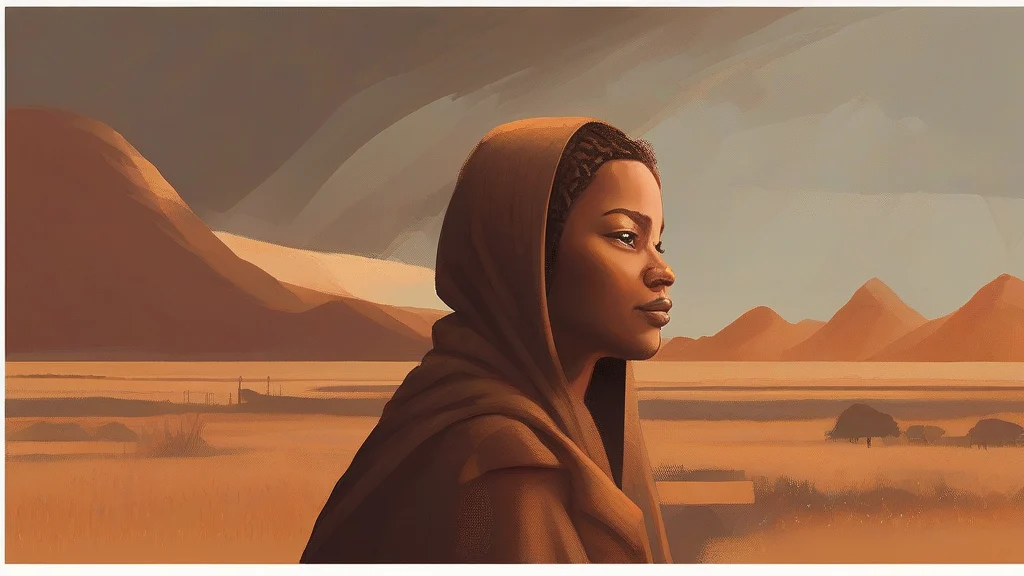
What does motherland mean?
Motherland is a noun denoting the country someone regards as their native land, particularly the country of their birth or that of their ancestors. It may also identify the homeland of a broader people or nation. The word is used in British and American English and often appears in political, historical, literary, or ceremonial contexts. Its emotional force is important: motherland can express affection, loyalty, and attachment to a homeland, but it can also suggest nationalism, especially when used in slogans or patriotic speeches. Because of this stronger connotation, many speakers choose homeland when they want a comparatively neutral term for a place of belonging. Although usually singular, motherland can be pluralized to refer to several countries experienced as ancestral homelands. The word combines the familiar sense of a mother providing care and belonging with land, meaning a country or territory, giving it an enduring association with both family and national identity.
nounThe country regarded as one's native land, especially one's country of birth or ancestral homeland. The term often carries patriotic or nationalist associations and may refer to a homeland shared by a people or nation.
- The country in which a person was born or which is regarded as the person's ancestral homeland.
- The homeland of a people, ethnic group, or nation, especially in patriotic or nationalist discourse.
"After decades abroad, she returned to her motherland to care for her ageing parents."
"The singer returned to her motherland after living abroad for nearly thirty years."
"The speech appealed to citizens to unite in defence of their shared motherland."
The standard plural is uncommon because the word usually refers to one country or homeland, though it can be used when discussing several ancestral countries.
"The essay considers how migrants represent their motherlands in literature and art."
Motherland can sound tender in one voice and coercive in another: it names home, but its patriotic charge can also demand national loyalty.
Reviewed by Deb Chak, Editor. AI-assisted content curated by RJS Tech Solutions LLP.
Where does motherland come from?
Motherland was formed in English in the early 17th century from mother and land. The compound belongs to a wider family of European expressions with the same basic meaning, including German Mutterland and Dutch moederland. Its use has long been associated with attachment to a native country, although modern contexts range from personal sentiment to explicit nationalism.
How motherland is actually used
Used in both British and American English, though it often sounds more formal, literary, or politically charged than the more neutral homeland. Its connotations range from affection for one's ancestral home to nationalist rhetoric, so the context can strongly affect its tone.
Easily confused with motherland
A homeland is generally the place or country a person identifies as home, whereas motherland more explicitly suggests a native or ancestral country and often carries stronger patriotic connotations.