
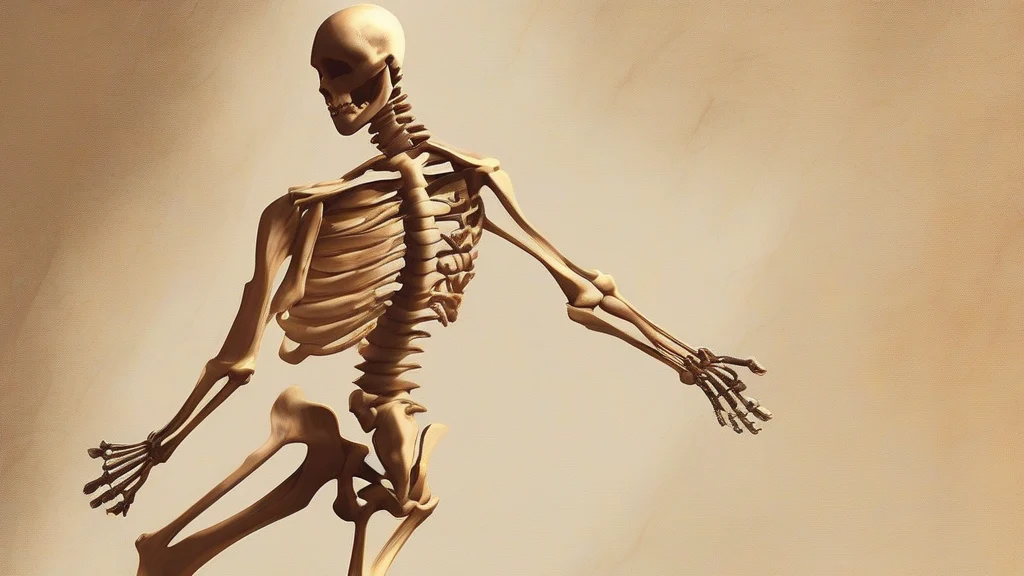
What does musculoskeletal mean?
Musculoskeletal is an adjective describing anything that relates to the muscles and skeleton as a combined system of movement and support. The term is especially common in medicine, physiotherapy, ergonomics, and sports science. Musculoskeletal pain may arise from muscles, bones, joints, ligaments, tendons, or the relationships between these structures, while musculoskeletal disorders encompass a broad range of injuries and chronic conditions affecting physical function. The word is useful because it names an interconnected system rather than treating muscle and bone problems as entirely separate. In ordinary speech, it commonly appears in established combinations such as musculoskeletal pain, musculoskeletal injury, musculoskeletal disorders, and musculoskeletal system. Although primarily technical, the term is broadly recognizable and is often used in health guidance, workplace assessments, and discussions of ageing or physical activity.
adjectiveRelating to or involving the muscles and the skeleton together as a functional system. It is commonly used in medical contexts to describe pain, disorders, injuries, and other conditions affecting both muscular and skeletal tissues.
- Relating to or involving both the muscles and the skeleton, especially as a unified system.
- Pertaining to the body's mechanical framework, including bones, joints, muscles, tendons, and ligaments.
- Used of a disorder, injury, or symptom involving the musculoskeletal system.
"The clinic specialises in the treatment of chronic musculoskeletal pain."
"Her doctor diagnosed her with a common musculoskeletal disorder."
"The course provides physiotherapists with a broad understanding of musculoskeletal anatomy."
The word links two body systems in one breath: muscles create movement, while bones provide the framework that supports and protects them.
Reviewed by Deb Chak, Editor. AI-assisted content curated by RJS Tech Solutions LLP.
Where does musculoskeletal come from?
The word combines muscular and skeletal. Muscular derives from Latin musculus, meaning “a muscle,” from Greek mys, while skeletal derives from Greek skeletos, meaning “a dried body, bones, or carcass.” Their combination in musculoskeletal reflects the close functional relationship between muscles and the bones and joints they support and move.
Related word forms
How musculoskeletal is actually used
This is a technical or medical term, though it is widely understood in general contexts such as workplace health and sports injury. It usually appears with terms such as pain, injury, disorder, system, or condition.
Easily confused with musculoskeletal
Muscular means relating to muscles, whereas musculoskeletal refers to the interaction or combined involvement of the muscles and skeleton.
Skeletal relates specifically to bones or the skeleton, whereas musculoskeletal encompasses both muscular and skeletal tissues.