
What does mustang mean?
A mustang is a wild or feral horse, particularly one associated with the open landscapes of western North America. The term can also refer to a well-known classic American automobile model and to commemorative coins bearing an image of a mustang. In its original animal sense, the word carries associations with freedom, speed, independence, and the untamed character of the American West. Modern usage also extends beyond the literal horse: a vehicle described as a mustang evokes ruggedness and performance, while the coin sense is specific to numismatic collecting. The most common contemporary use remains the reference to a free-roaming horse, especially in descriptions of ranch life, western landscapes, conservation, and historical accounts of horse culture. The word is especially associated with the Great Plains, the Rocky Mountains, and other regions where feral horse populations became established after domestic horses were introduced.
A free-roaming or feral horse, especially one native to or established in western North America.
"Wild mustangs roam the foothills and valleys of the region."
The term often carries historical and literary associations with the American West and with freedom or untamed independence.
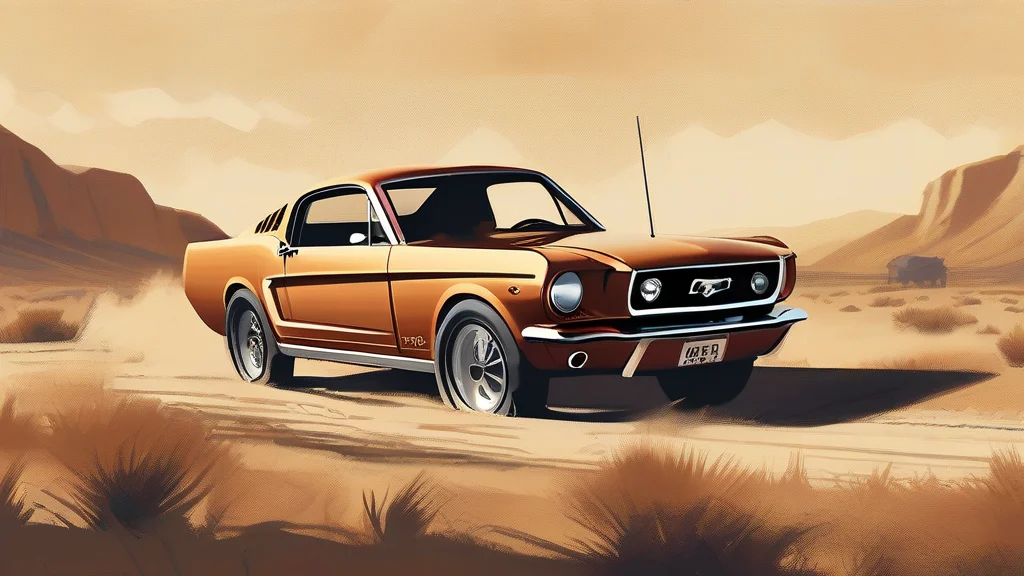
A classic American automobile model.
"The restored Mustang was displayed at the summer car show."
Usually capitalized. The sense is primarily associated with the United States.
A United States commemorative coin featuring a mustang.
"The auction included a gold-colored mustang coin from the commemorative series."
Usually capitalized and chiefly encountered in numismatic contexts.
The plural refers to multiple horses, automobile models, or commemorative coins, depending on context.
"The mustangs grazed near the edge of the forest."
The mustang became a symbol of the American West, representing both untamed nature and the frontier spirit of the nineteenth century.
Reviewed by Deb Chak, Editor. AI-assisted content curated by RJS Tech Solutions LLP.
Etymology of mustang
English borrowed the word from Spanish mustango. The deeper origin of the Spanish form is uncertain, and proposed connections with particular Indigenous languages remain disputed. English uses developed through the centuries for wild horses in North America and were later extended to an automobile model and commemorative coinage.
How mustang is actually used
The lower-case spelling is standard for the animal. The automobile model and commemorative coin are normally capitalized, although the distinction is often relaxed in general writing.