
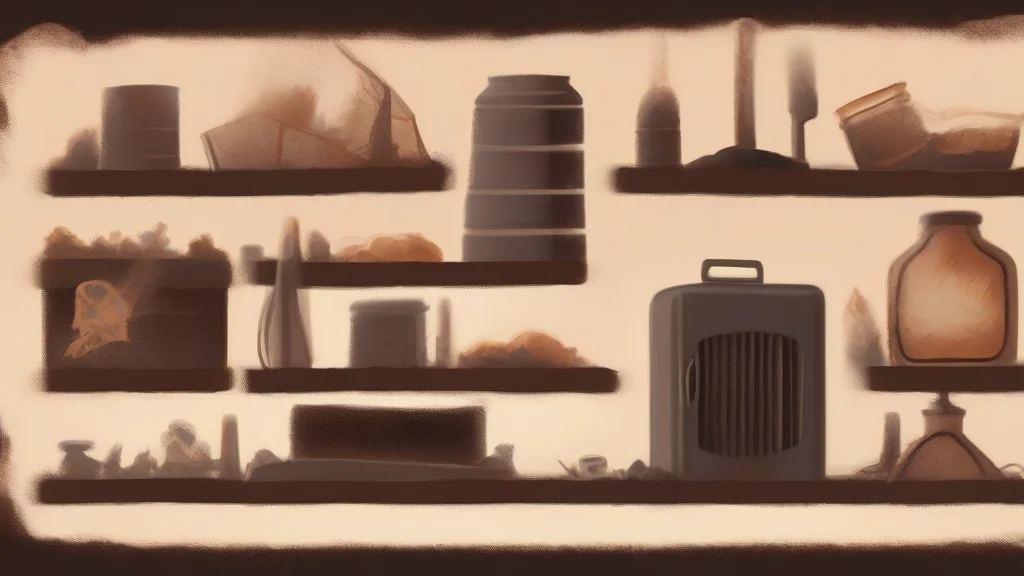
What does mustiest mean?
Mustiest is the superlative form of the adjective musty. It describes the person, place, thing, or idea that is most noticeably stale, damp, old-fashioned, or lacking freshness. In its most familiar sense, mustiest refers to an unpleasant smell associated with enclosed spaces, old furniture, damp basements, or rooms that have not been aired for a long time. It can also be used figuratively to criticize something as dated, dull, or disconnected from contemporary life. The word is especially useful when making a comparison: saying that a room is the mustiest in a house immediately conveys both physical staleness and a sense of neglect. Although usually negative, mustiest is not limited to literal decay; it can be playfully used to identify whichever of several similarly old or unfashionable things deserves the strongest criticism.
adjectiveThe superlative of musty: having a stale, damp, or old-fashioned quality, especially with an unpleasant smell.
- Having a stale, damp, or unpleasant smell.
- Old-fashioned, unattractive, or lacking vitality and freshness.
"The mustiest corner of the attic contained old books and forgotten furniture."
"The mustiest room in the house had been closed up since winter."
"His argument sounded musty, repeating an argument no one had accepted for years."
When something is musty, time seems to have left its mark on both the air and the atmosphere.
Reviewed by Deb Chak, Editor. AI-assisted content curated by RJS Tech Solutions LLP.
Etymology of mustiest
The exact origin of the base adjective musty is uncertain. The word appeared in English in the 16th century and was associated with stale, spoiled, or unwholesome qualities, while its later figurative uses developed toward the meanings “old-fashioned” and “lacking vitality.” The modern superlative mustiest follows the regular inflection of the adjective.
How mustiest is actually used
The word is commonly used of old buildings, stored objects, and places that feel neglected or poorly ventilated. It can also describe ideas, styles, or arguments that seem dated. Its figurative use is usually mildly disapproving.