
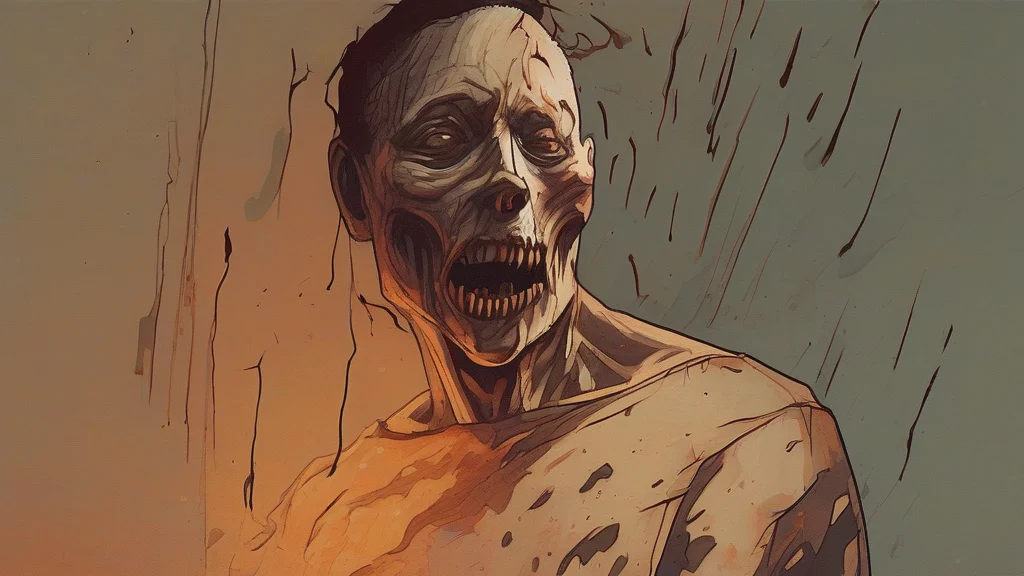
What does mutilated mean?
Mutilated describes something that has been severely damaged, often through violence, mutilation, or the deliberate removal or alteration of essential parts. The word is especially common in descriptions of injured bodies, disfigured objects, and damaged documents or artworks, but it can also be used figuratively when something has been distorted so badly that its original meaning or form is difficult to recognize. Its force comes from the implication that the damage was deliberate, extreme, and destructive rather than a minor blemish. In legal and journalistic writing, “mutilated” may distinguish serious physical injury from ordinary damage. It is also widely used with bodies, corpses, remains, manuscripts, and other objects whose integrity has been violently or intentionally compromised. Although “mutilated” is sometimes used as a synonym for “maimed,” the words are not interchangeable in every context: “mutilated” stresses the destructive act and the resulting damage, while “maimed” more often emphasizes lasting injury and disability. Overall, it is a forceful word that should be reserved for damage substantially more serious than ordinary wear or accidental harm.
Severely damaged, especially by violence, cutting, crushing, or other destructive means; often incomplete, disfigured, or unfit for use.
"The police recovered a mutilated body from the woodland."
Often conveys deliberate or extreme damage and may apply literally to bodies or objects, or figuratively to texts, artworks, and records.
Past tense and past participle of mutilate: to inflict violent or destructive damage on, especially by cutting off or altering essential parts.
"The vandals mutilated several statues in the town square."
The past form commonly appears in reports of crimes, warfare, accidents involving severe damage, and deliberate alteration of documents or property.
The word is harsher than it first sounds: its Latin ancestor meant maimed or defective, so calling something mutilated implies damage that goes far beyond a scratch.
Reviewed by Deb Chak, Editor. AI-assisted content curated by RJS Tech Solutions LLP.
Where does mutilated come from?
Mutilated comes through French from the Latin past participle mutilatus, associated with mutilare, meaning to maim or injure severely, and with mutilus, meaning maimed or defective. The Latin-derived verb entered English in the early 17th century, and the adjectival and past-participle form developed alongside it. The same Latin root underlies forms such as mutilation and mutilator.
Related word forms
How mutilated is actually used
The word is standard in formal, legal, medical, and journalistic contexts. It is especially associated with violent bodily harm but is also used figuratively for damaged texts, images, records, or objects. Its strong connotations make it unsuitable for describing minor or accidental damage.
Easily confused with mutilated
Both words describe serious bodily harm, but mutilated emphasizes destructive damage or the removal of essential parts, whereas maimed more specifically suggests a lasting injury that disables or disfigures someone.