
What does neolithic mean?
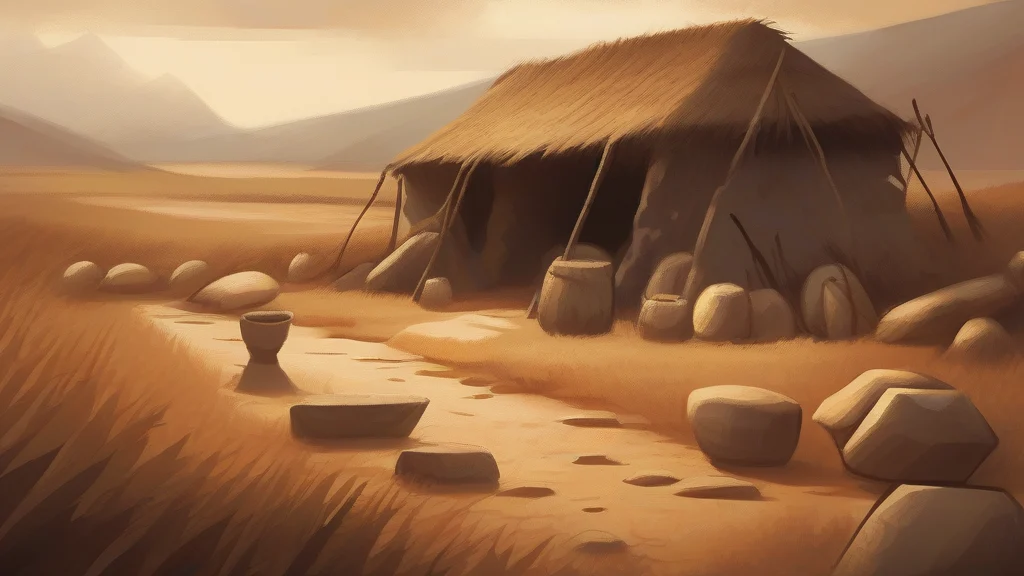
Neolithic describes the final major phase of the Stone Age, a period associated with the transition from hunting and gathering to agriculture and permanent settlements. It commonly refers to the period in Europe and the Near East that preceded the Bronze Age, although related chronological labels are used in other regions. Neolithic communities developed farming, herding, pottery, weaving, grinding tools, and increasingly settled forms of village life. The term is therefore more precise than “prehistoric,” since it identifies a particular historical stage rather than simply an era before written records. In archaeological contexts, it is used for tools, houses, artworks, food remains, burials, and cultural practices. The word should generally be reserved for historical description: calling a contemporary society or person “Neolithic” can imply an outdated or dismissive comparison.
Relating to the Neolithic period or to the way of life, artifacts, or settlements associated with it.
"The archaeologists identified several Neolithic tools made from polished stone."
Usually capitalized when referring specifically to the Neolithic period.
The Neolithic period, especially the final phase of the Stone Age in Europe.
"Human settlement expanded rapidly during the Neolithic."
Usually used with “the,” as in “the Neolithic,” and normally treated as a period name rather than a countable noun.
The Neolithic was the point at which many societies began turning from hunting and gathering to farming and living in permanent settlements.
Reviewed by Deb Chak, Editor. AI-assisted content curated by RJS Tech Solutions LLP.
Where does neolithic come from?
“Neolithic” combines the Greek roots néos, meaning “new,” and lithos, meaning “stone.” It was introduced in the nineteenth century to distinguish a later phase of the Stone Age, marked by polished stone implements and agricultural development, from an older phase. The label is commonly associated with Danish archaeologist Christian Jürgensen Thomsen’s influential classification of prehistory. Its two elements continue to appear in modern words derived from Greek, including neologism, neophyte, and lithic.
How neolithic is actually used
The word is normally used with historical or archaeological reference and is not generally used to describe a modern person or society as primitive. In British and American English, “Neolithic” is usually capitalized when referring to the period.
Easily confused with neolithic
Paleolithic refers to the earlier part of the Stone Age, when people were generally hunter-gatherers, whereas Neolithic refers to the later period associated with farming and settled communities.