
What does neurasthenia mean?
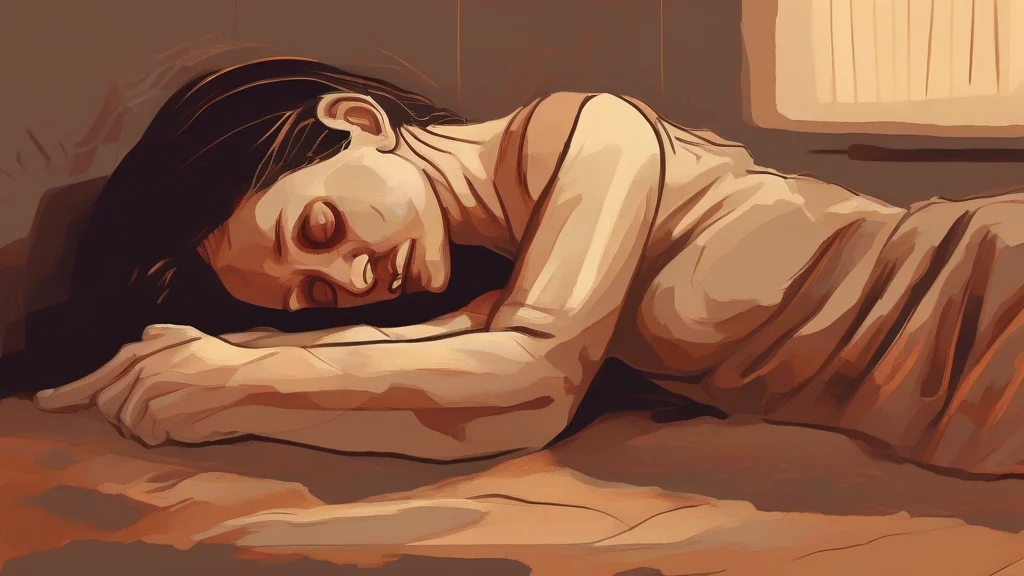
Neurasthenia is an old medical term for a condition marked by severe physical and mental fatigue, weakness, irritability, difficulty concentrating, and other vague nervous symptoms. It became especially influential during the late 19th century, when doctors commonly attributed such complaints to nervous strain and exhaustion, particularly among people experiencing demanding work or social conditions. The diagnosis was influential partly because it helped frame several contemporary symptoms as a recognizable disorder, although its boundaries were vague and often inconsistent. Modern medicine rarely uses neurasthenia as a primary diagnosis; persistent fatigue and related symptoms are generally assessed under more specific categories. The word nevertheless survives in historical writing and in the derived adjective "neurasthenic," which can still describe marked nervous exhaustion or debility. It is especially useful to readers interested in the development of psychiatry, neurology, and the changing language of diagnosis.
nounNeurasthenia is a chiefly historical diagnosis characterized by pronounced physical and mental fatigue, weakness, irritability, and other nervous symptoms. It was especially influential in the late 19th and early 20th centuries but is rarely used in modern clinical medicine.
- A historical medical diagnosis characterized by nervous exhaustion, weakness, fatigue, irritability, and impaired concentration.
- By extension, a condition or state of persistent physical and mental fatigue attributed to nervous strain.
"Her doctor diagnosed a mild case of neurasthenia after months of exhaustion and an inability to concentrate."
"Victorian physicians frequently attributed vague exhaustion, headaches, and anxiety to neurasthenia."
"She read accounts of neurasthenia in the archive and recognized many of its supposed symptoms."
The plural is grammatically regular but rare because the medical term is now chiefly historical.
"The novel depicts several forms of neurasthenia among members of the provincial middle class."
The name that gave us the word "neuron" also helped diagnose an illness that medicine has largely retired.
Reviewed by Deb Chak, Editor. AI-assisted content curated by RJS Tech Solutions LLP.
Where does neurasthenia come from?
Neurasthenia was coined in the 19th century from Greek "neuron", meaning "nerve", and "asthenia", meaning "weakness". The term was introduced by the American neurologist George Beard as the name for a condition attributed to nervous exhaustion. Its formation reflects the period's growing tendency to describe psychological and physical distress through medical terminology grounded in Greek roots.
Related word forms
How neurasthenia is actually used
The term is now chiefly historical or literary. In current medicine, persistent fatigue and related symptoms are evaluated under more specific diagnoses rather than as neurasthenia; "nervous breakdown" is an informal expression rather than a clinical synonym.
Easily confused with neurasthenia
Neurasthenia historically referred to generalized nervous exhaustion and weakness, whereas neuralgia denotes pain along a nerve.
Neurasthenia is the noun naming the historical diagnosis, while neurasthenic is the adjective describing someone affected by it.