What does numbat mean?
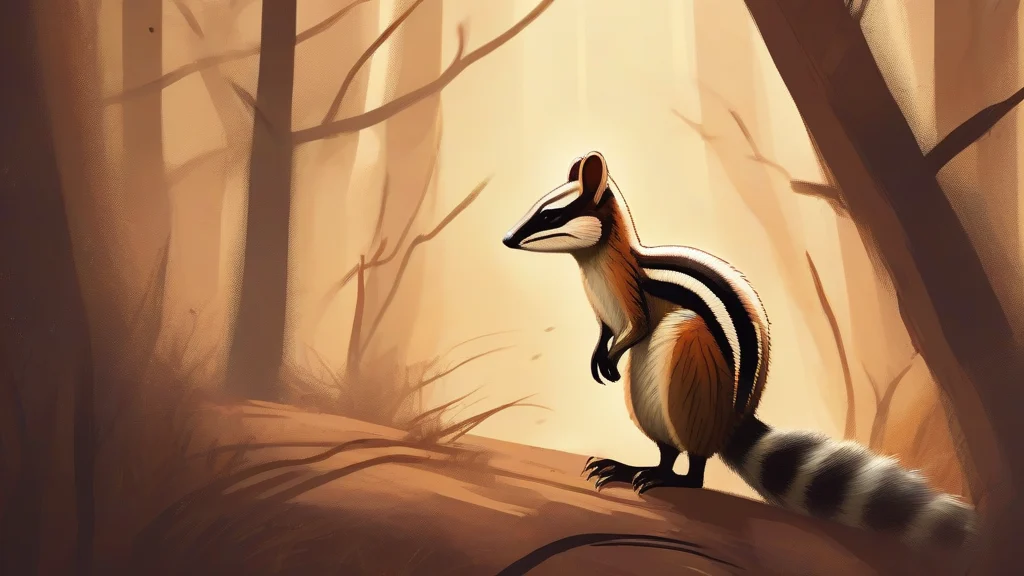
The numbat is a small, carnivorous marsupial native to Australia, characterized by its distinctive stripes and long, pointed snout. It is a unique and fascinating creature, often found in the wilds of Western Australia. The numbat is a popular attraction in zoos and wildlife parks, and its distinctive appearance makes it easily recognizable. In addition to its physical characteristics, the numbat is also known for its interesting behavior and habits. Despite its relatively small size, the numbat plays an important role in the ecosystem of Western Australia, serving as a predator and helping to maintain the balance of nature. Overall, the numbat is a fascinating and important animal that is worth learning more about.
nounA small, carnivorous marsupial native to Australia, characterized by its distinctive stripes and long, pointed snout.
- A small, carnivorous marsupial native to Australia, characterized by its distinctive stripes and long, pointed snout.
"The numbat is a unique and fascinating creature, often found in the wilds of Western Australia."
"The numbat is a unique and fascinating creature, often found in the wilds of Western Australia."
"In the zoo, the numbat was a popular attraction among visitors."
The plural form 'numbats' is used to refer to multiple individuals of this species.
"A group of numbats was spotted in the wild, feeding on insects and small animals."
Reviewed by Deb Chak, Editor. AI-assisted content curated by RJS Tech Solutions LLP.
Etymology of numbat
The word 'numbat' is derived from the Dharug language, which was spoken by the indigenous people of the Sydney region. The term was first used by European settlers to refer to this specific animal, and it has since become a widely recognized and accepted term in the English language. The numbat is also known by other names in different regions of Australia, but 'numbat' is the most commonly used term.
How numbat is actually used
The term 'numbat' is often used in formal and informal contexts to refer to this specific animal. It is not commonly confused with other words, but its unique characteristics make it a useful and interesting term in discussions of Australian wildlife.