
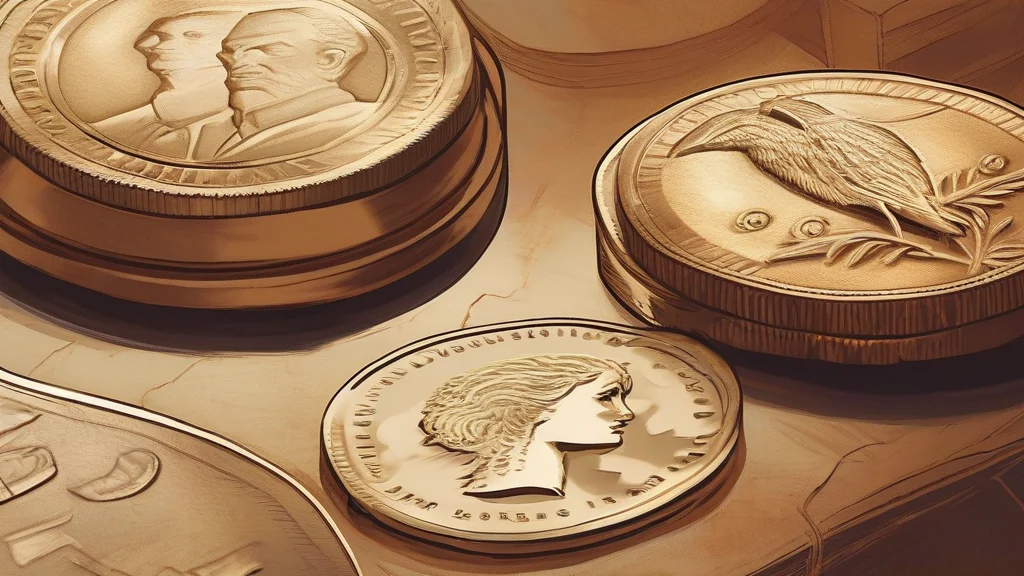
What does numismatic mean?
Numismatic is an adjective relating to coins, medals, and the study or collecting of currency. As a noun, a numismatic is an expert or enthusiastic collector of coins and medals, especially those with historical, artistic, or monetary significance. The term is used in museum catalogues, auction descriptions, academic research, and collecting communities. A numismatic collection may include ancient coins, modern currency, tokens, paper money, or commemorative medals, and the word can also describe the value or condition of an individual piece. It comes from the Greek “nomisma,” meaning coin or money, and ultimately from the study of objects that preserve both economic history and cultural information.
Relating to coins, medals, currency, or the study and collecting of these objects.
"The expert assessed the coin's numismatic significance."
Usually used in specialist contexts such as numismatic value, research, or collecting.
A collector or specialist in coins and medals.
"The numismatic donated several Roman coins to the university."
The less common noun form is often replaced by “numismatist” in formal or professional contexts.
The word comes from the Greek word for a coin, so numismatics is essentially the art and science of reading the stories written in money.
Reviewed by Deb Chak, Editor. AI-assisted content curated by RJS Tech Solutions LLP.
Etymology of numismatic
The word derives from Greek “nomisma” (νόμισμα), meaning “coin” or “money,” through the related form “numismatics.” The English terms “numismatic” and “numismatist” developed in the 18th and 19th centuries as the scholarly study and professional collecting of coins became established disciplines.
Related word forms
How numismatic is actually used
As an adjective, “numismatic” is typically used for coins, medals, collecting, research, or value. As a noun, it denotes a knowledgeable collector or specialist; “numismatist” is also common.