
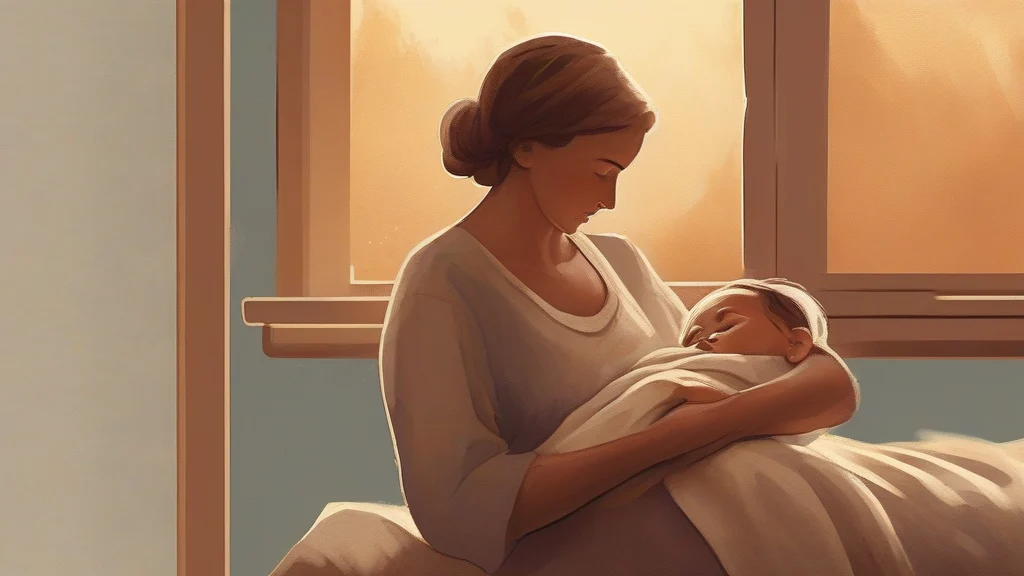
What does nursling mean?
A nursling is an infant or other very young being that depends on another for nourishment, whether through breastfeeding or another form of care. The word has a warm, slightly old-fashioned quality, so it appears more often in literary descriptions than in everyday conversation, where “baby” or “infant” is normally preferred. A nursling can also be used figuratively for a person or undertaking that is still developing under someone’s care, though this usage is relatively uncommon. The term emphasizes dependence and nourishment rather than age alone: a baby who is being breastfed may be described as a nursling, whereas a newborn receiving only formula ordinarily would not be. In this respect, the word retains its older, concrete meaning even when applied metaphorically. Its vocabulary value lies in preserving the connection between early life and the care required to sustain it.
An infant or young child that is being breastfed or otherwise cared for.
"The mother gently cradled the nursling while feeding her."
Somewhat literary or traditional; “infant” and “baby” are more common in everyday speech.
A person, organization, or thing that is being nurtured or supported while it develops.
"For several years, the publication remained a nursling within the newspaper."
This figurative sense is uncommon but established.
The standard plural of a count noun; it commonly refers to several infants or young animals.
"Two nurslings rested beneath the shelter."
A nursling is more than an infant: the word specifically carries the sense of being sustained through feeding and care.
Reviewed by Deb Chak, Editor. AI-assisted content curated by RJS Tech Solutions LLP.
Where does nursling come from?
“Nursling” was formed from “nurse” and the diminutive suffix “-ling,” a combination that originally referred to a child or other young creature being brought up or fed. The word shares its root with “nurse,” “nursery,” and the related verb “nurture,” all of which derive from the idea of caring for and sustaining young.
How nursling is actually used
The word is literary and somewhat old-fashioned in ordinary reference to babies, with “infant” or “baby” being more common in modern usage. Its figurative sense is also uncommon but conveys sustained care and dependence.