
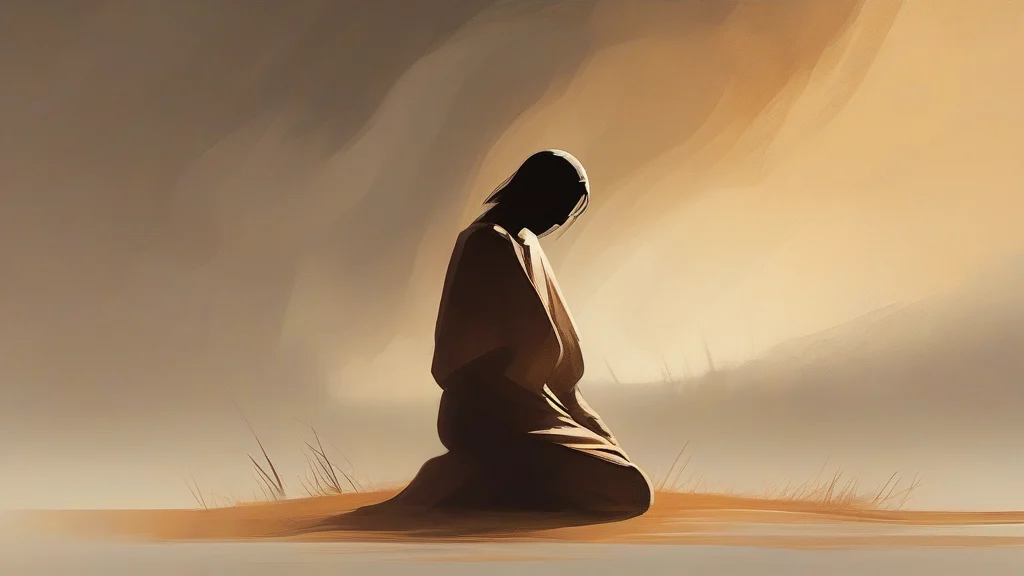
What does obeisance mean?
An obeisance is a gesture or bow that expresses deference, respect, homage, or submission. Historically, it was commonly a physical movement, such as bending the body or lowering the head before someone of higher social rank, and that concrete sense remains central today. Figuratively, the word describes a verbal or symbolic act of acknowledgment, as in paying obeisance to a person, an institution, or an achievement. The term can be ceremonially respectful, but in contemporary writing it may also imply that someone is being excessively accommodating or submissive. Although its vocabulary is firmly established in standard English, it sounds more literary and formal than ordinary alternatives such as respect, homage, or deference. It is useful in historical, political, diplomatic, and highly descriptive prose.
nounA respectful bow or other gesture made as a sign of deference, respect, or submission. In figurative use, it refers to an expression of homage or obedience.
- A respectful bow or gesture of deference.
- A figurative expression of homage, respect, or submission.
"The young official made a deep obeisance to the queen as she entered the chamber."
"The ambassador offered an obeisance of welcome to the visiting delegation."
"Her obeisance to the difficult client was an attempt to preserve the relationship."
The plural is used for multiple gestures or expressions of deference or submission.
"The crowd's obeisances marked the arrival of the monarch."
A single bow can communicate a whole social vocabulary: gratitude, respect, apology, fear, or submission.
Reviewed by Deb Chak, Editor. AI-assisted content curated by RJS Tech Solutions LLP.
Where does obeisance come from?
Obeisance entered English from French obéissance, meaning obedience or a respectful bow. The French word was derived from obéir, “to obey,” which ultimately comes from Latin oboedire, formed from ob- and audire, “to hear.” The same broad root produced English words including obey, obedience, obedient, and obsequious, although their modern meanings have developed in different directions.
Related word forms
How obeisance is actually used
The word is formal and somewhat literary. It can sound old-fashioned, but it remains idiomatic in ceremonial, historical, diplomatic, and deliberately elevated contexts. In modern figurative use, it may suggest excessive deference or submission, sometimes with a faintly ironic tone.
Easily confused with obeisance
Obedience is compliance with an instruction or authority, whereas an obeisance is a visible gesture or expression of respect, homage, or submission.
Obeisance is a respectful bow or gesture, while obsequious describes excessively flattering or deferential behavior.