
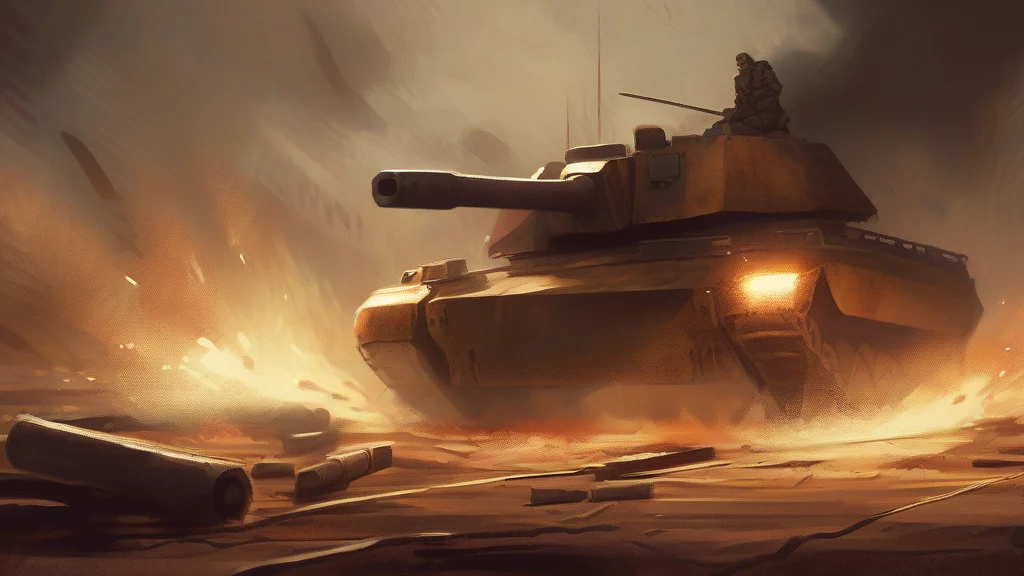
What does onslaught mean?
An onslaught is a sudden, violent, and overwhelming attack or assault. The term is especially common in journalism and formal descriptions of military action, storms, or other forces that strike with great intensity. It also has a well-established figurative use for a barrage of criticism, questions, complaints, or other unwelcome attention. Unlike a simple attack, an onslaught suggests force, scale, and the possibility of overwhelming resistance. The word can describe physical assaults, as in an onslaught by an army, but it can equally describe the pressure created by a difficult situation or a flood of demands. Because of its dramatic and emphatic character, onslaught is often chosen when the event is unusually intense or difficult to withstand.
nounA sudden, violent, and overwhelming attack or assault. It can also refer to a rapid and intense barrage of criticism, questions, or other unwelcome attention.
- A sudden, violent, and overwhelming attack, especially by an armed force.
- A rapid and intense barrage of criticism, questions, problems, or other unwelcome attention.
"The defenders were unable to withstand the onslaught from the attacking forces."
"The town was left battered after a night-long onslaught by the storm."
"The minister faced an onslaught of questions about the proposed reform."
"The team survived an onslaught of attacks in the final minutes."
The plural is formed by adding “-s.”
"The soldiers endured successive onslaughts from both sides of the valley."
An onslaught does not merely begin: it arrives with overwhelming force and can demand every ounce of a person’s attention.
Reviewed by Deb Chak, Editor. AI-assisted content curated by RJS Tech Solutions LLP.
Where does onslaught come from?
The word dates from the late 16th century and is generally understood as a formation combining the preposition “on” with “slaught,” an obsolete word associated with a battle or fight. Its precise historical development is not entirely transparent, but the sense of a vigorous or violent attack was established early. The modern form became established in English and is now used both literally and figuratively.
Related word forms
How onslaught is actually used
The word is relatively formal and commonly describes a powerful, sustained attack. In figurative uses, it often suggests an overwhelming amount of criticism, questions, or activity. The spelling with a final “t” is standard in modern English.
Easily confused with onslaught
An onset is the beginning or arrival of something, whereas an onslaught is a forceful and often destructive attack or barrage.