
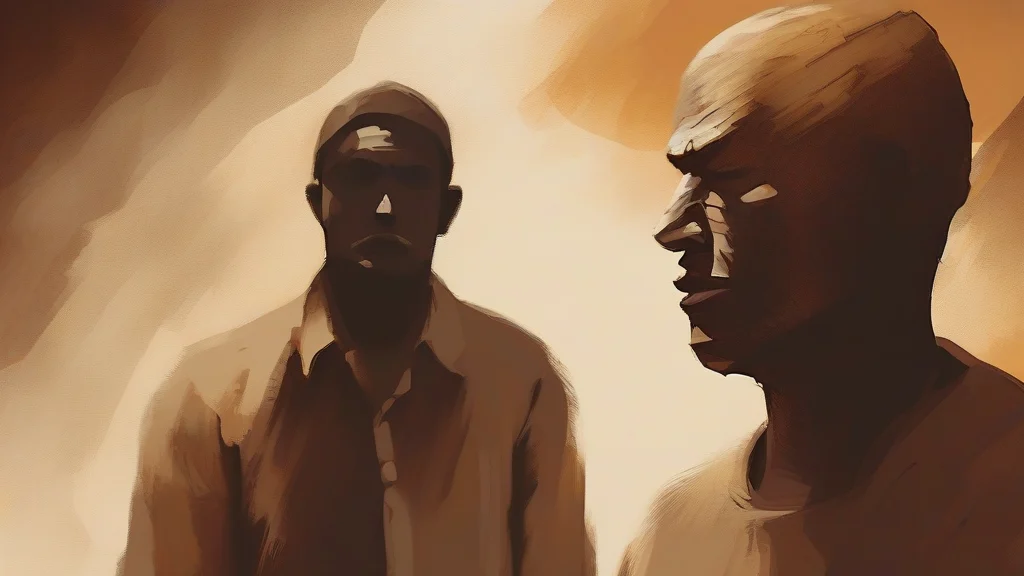
What does oppression mean?
Oppression denotes severe and repeated cruelty, injustice, or discrimination inflicted on people through political, social, or institutional power. It commonly describes situations in which a group is denied freedom, equality, opportunity, or basic dignity, as in “political oppression,” “racial oppression,” and “systemic oppression.” The term is stronger and more explicitly evaluative than words such as hardship or unfairness: it suggests an enduring structure of power rather than an isolated inconvenience. Although oppression is often associated with governments and institutions, it can also describe mistreatment within families, workplaces, communities, or other social groups. In less common use, it can mean the act of pressing down or weighing upon something. A related sense covers the suppression of a person's freedom, expression, or development. For general readers, “oppression” is best understood as a forceful term for unjust treatment that prevents people from living or acting with equal freedom and dignity.
nounSevere and repeated cruelty, injustice, or discrimination, especially when exercised through political, social, or institutional power.
- The cruel or unjust treatment of people, especially through political, social, or institutional power.
- The prevention of a person's activity, development, or expression, understood as a denial of basic rights and autonomy.
- The action of pressing down or weighing upon something.
"The campaign sought to expose the systemic oppression faced by minority communities."
"Workers protested the oppressive conditions in the mines."
"The new law was condemned as a form of institutional oppression."
The plural is uncommon and is used for distinct acts, systems, or instances of oppressive treatment.
"Historians examined the oppressions endured under successive regimes."
Its core image is literally “pressing down”: political and social forces crush people under unequal and oppressive power.
Reviewed by Deb Chak, Editor. AI-assisted content curated by RJS Tech Solutions LLP.
Where does oppression come from?
The word comes through Old French from Latin oppressionem, a noun formed from opprimere, meaning “to press down.” Its components combine the intensive prefix op- with the Latin root premere, “to press.” The same Latin root underlies English words such as compress, depression, and suppression, although each developed distinct meanings over time.
Related word forms
How oppression is actually used
The word is strongly evaluative and is especially common in discussions of politics, society, rights, and discrimination. It normally conveys more than ordinary inconvenience or adversity by implying sustained, systematic, or institutionalized mistreatment.
Easily confused with oppression
Suppression means restraining or preventing something from occurring, whereas oppression denotes cruel, unjust, or discriminatory treatment, especially of people.
Depression commonly refers to low mood, economic decline, or a sunken physical state, not to the exercise of power against people.