
What does opulently mean?
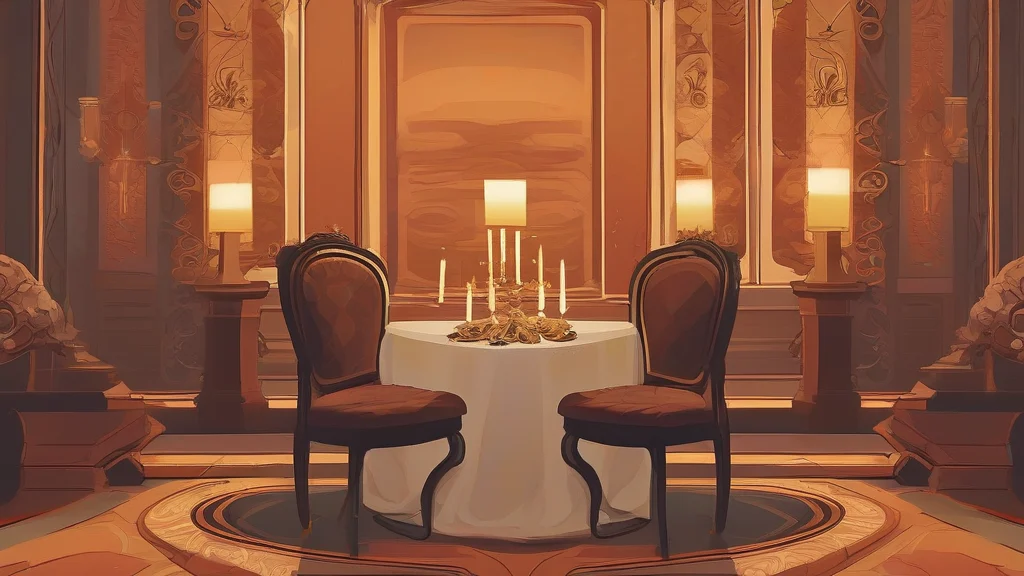
Opulently is an adverb meaning in a richly luxurious, lavish, or sumptuous manner. It commonly describes the decoration and furnishing of a room or building, the presentation of food, the design of clothing, or the staging of an event. The word carries a formal, slightly literary tone and suggests conspicuous luxury and extravagance rather than ordinary comfort. For example, an opulently decorated hall might feature marble, velvet, gilding, elaborate lighting, and costly artwork. The adverb is formed from the adjective opulent, which means wealthy or luxurious, and is related to the noun opulence, meaning great wealth or abundance. Because of its strong associations with expensive materials and lavish display, opulently is especially effective in descriptions of architecture, interiors, entertainment, and ceremonial occasions.
adverbIn a rich, luxurious, or lavish manner, especially with an abundance of material comforts or elaborate surroundings.
- In a rich, luxurious, or lavish manner; sumptuously.
"The hotel's lobby was opulently decorated with marble, crystal, and towering floral arrangements."
"The palace was opulently furnished with gilded furniture and silk-covered walls."
"The film was praised for its opulently imagined world of marble halls, velvet costumes, and candlelit ceremonies."
Opulently turns the idea of luxury into an action: it describes surroundings, furnishings, or hospitality that display deliberate extravagance.
Reviewed by Deb Chak, Editor. AI-assisted content curated by RJS Tech Solutions LLP.
Where does opulently come from?
The word comes from the Latin adjective opulentus, meaning wealthy or rich, associated with opes, the Latin word for wealth or resources. English borrowed opulent in the 16th century, and the adverb opulently developed later by adding the suffix -ly to the adjective. The related noun opulence entered English through the same Latin root, while opulency is a less common form with a similar meaning.
Related word forms
How opulently is actually used
Formal and literary in tone. It is often used to describe decoration, furnishings, architecture, food, or an arrangement of events, and generally conveys deliberate luxury rather than simple comfort or abundance.