
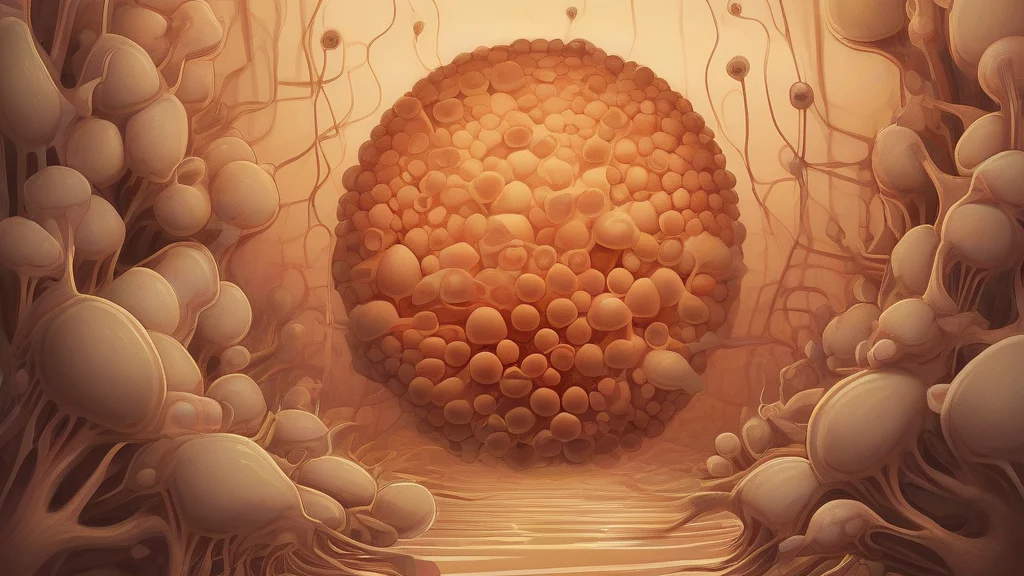
What does organogenesis mean?
Organogenesis is the process through which an organism's organs form and develop, particularly during embryonic development. It begins with groups of cells that receive specific signals, divide, and differentiate into the tissues required for organs such as the heart, brain, limbs, or kidneys. The term is common in developmental biology and embryology, where researchers investigate the genetic, cellular, and molecular mechanisms governing organ formation. It also has clinical relevance because errors during organogenesis can result in congenital abnormalities. Organogenesis can refer to organ formation in animals and plants, although it is most often used in connection with vertebrate embryos. Related adjectives include organogenetic and organogenic, while the rare noun organogeny is sometimes encountered as a synonym. Although organogenesis closely resembles morphogenesis in meaning, it is more specifically concerned with the formation of organs rather than the general development of an organism's shape or tissues.
nounThe developmental process by which organs form and acquire their structure, especially in an embryo.
- The formation and development of the organs of an organism, especially during embryonic development.
"Researchers studied how organogenesis is affected by a mutation during early embryonic development."
"Normal organogenesis depends on precise coordination between cell division, signalling, and tissue differentiation."
"The study compares organogenesis in vertebrate embryos with the regeneration of damaged tissues in adult animals."
The plural is grammatically possible but rarely used; organogenesis is normally treated as an uncountable process name.
"The researchers compared organogeneses in embryos exposed to different developmental signals."
Organogenesis is the biological process that turns clusters of embryonic cells into functioning organs.
Reviewed by Deb Chak, Editor. AI-assisted content curated by RJS Tech Solutions LLP.
Where does organogenesis come from?
Organogenesis is a 19th-century English scientific compound formed from organ and genesis. The word organ comes through Latin from Greek organon, meaning “instrument” or “body organ,” while genesis derives from Greek gennesis, meaning “birth,” “origin,” or “creation.” The compound emerged in scientific usage as a name for the formation and development of organs in embryos. Its elements remain familiar in related words such as organic, organism, and genetic.
Related word forms
How organogenesis is actually used
This is a specialized term used chiefly in developmental biology, embryology, medicine, and botany. In general prose, “organ development” may be clearer. The noun is normally used in the singular or as an uncountable process name.