
What does organza mean?
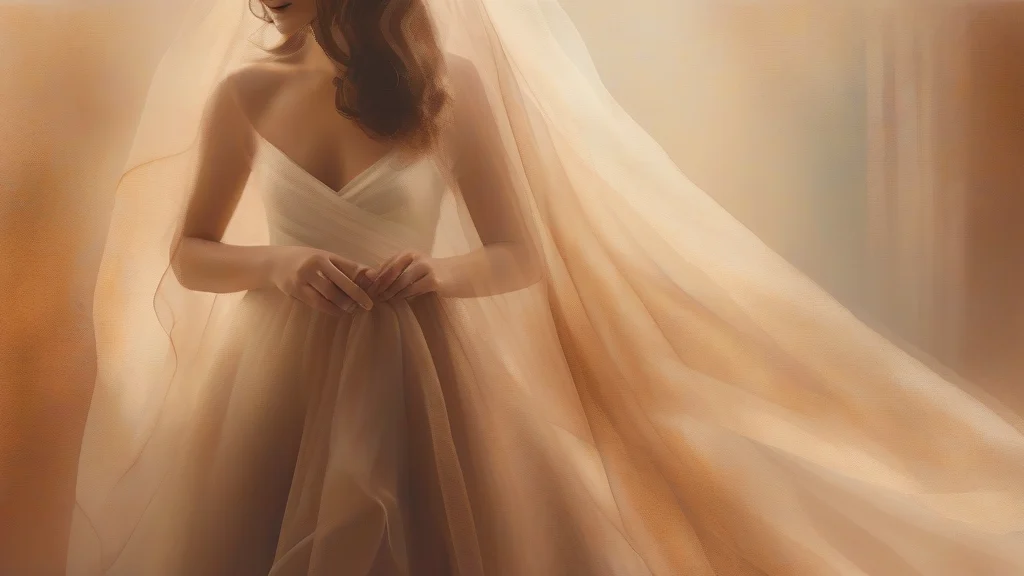
Organza is a lightweight, sheer fabric distinguished by its plain weave and translucent appearance. Depending on its fibre content and finish, it can feel crisp, slightly stiff, or soft. Silk organza traditionally provided a refined sheen and structure, while modern versions are commonly made from cotton, polyester, nylon, or blended materials. Designers often use organza for full skirts, puffed sleeves, layered bodices, ribbons, and decorative overlays, allowing the underlying garment to remain partly visible. Its delicacy can create an impression of volume and movement without the weight of heavier fabrics. Organza is also used in crafts, packaging, bookbinding, and the conservation of delicate objects. The word entered English from French in the early nineteenth century. Although the fabric may seem impractical because of its transparency and sensitivity, these qualities are central to its appeal: they make it especially effective for producing airy silhouettes, luminous colours, and intricate textural effects.
nounOrganza is a lightweight, sheer, plain-weave fabric, often made from silk, cotton, polyester, or nylon. It is valued for its crisp body and translucent appearance, especially in layered garments, formalwear, and decorative crafts.
- A lightweight, sheer, plain-weave fabric with a crisp or sometimes soft body, used especially for garments, overlays, and decorations.
"She wore a gown of pale blue organza over a silver satin slip."
"The gown's flowing organza sleeves moved gracefully as she crossed the stage."
"The conservator carefully unfolded the fragile organza lining that had protected the portrait."
Usually encountered as a mass noun; the plural is uncommon and may refer to distinct fabrics or qualities of the material.
"The shop displayed organzas in white, silver, and pale gold."
Organza proves that less fabric can make a louder fashion statement.
Reviewed by Deb Chak, Editor. AI-assisted content curated by RJS Tech Solutions LLP.
Where does organza come from?
English borrowed the word from French organza in the early nineteenth century. The French term came through Russian organza, itself borrowed from Italian organza. These forms ultimately trace to a Latin word associated with the Ancient Greek organon, meaning an instrument or tool.
How organza is actually used
Organza is common in fashion, costume design, crafts, and ceremonial decorations. It may feel crisp or slightly stiff, although softer forms are also available. Because many synthetic versions are inexpensive and durable, the term does not imply that the fabric is necessarily silk.