
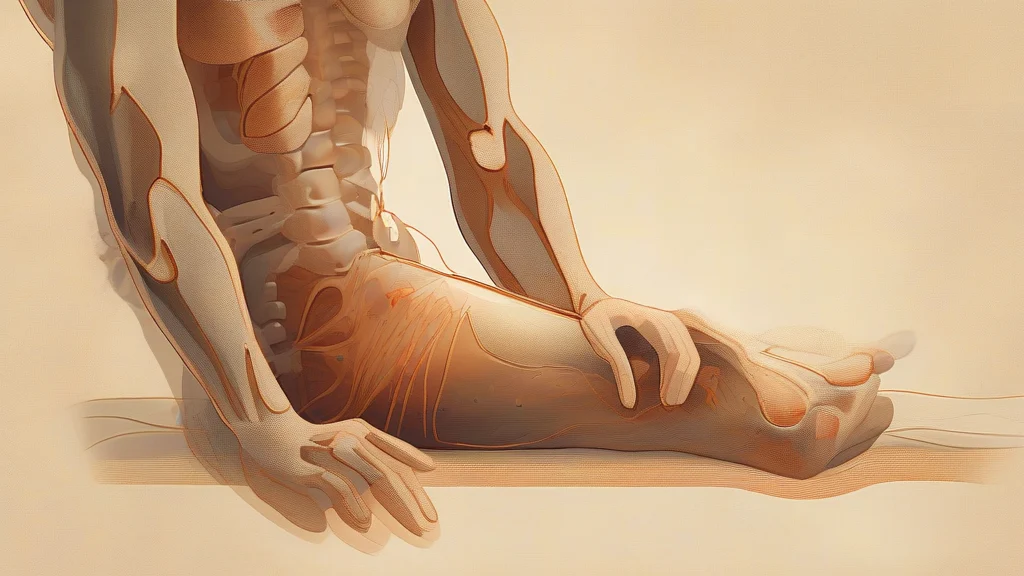
What does osteopathy mean?
Osteopathy is a healthcare system that focuses on the musculoskeletal system, especially bones, muscles, joints, and associated tissues. Practitioners assess movement, posture, and physical restrictions and may use manual techniques intended to address pain, tension, and restricted movement. Depending on the country and practitioner, treatment may also include exercise advice, lifestyle guidance, and other forms of healthcare. Osteopathy is distinct from homeopathy, which is based on highly diluted remedies and different principles. The term can refer either to the whole discipline or to a specific treatment. Its professional status, training standards, and scope of practice are not identical everywhere, so the meaning should be understood in the relevant national context. For many speakers, osteopathy is most familiar as a complementary or allied healthcare service, although some countries formally recognize it as a branch of primary medical care.
nounOsteopathy is a system of healthcare that emphasizes the musculoskeletal system and commonly uses manual techniques to assess and treat pain and restricted movement. Its practice and professional status vary by country, and osteopaths may also provide advice, exercise guidance, and other forms of care.
- A system of healthcare centered on the musculoskeletal system, often incorporating manual techniques.
- The therapeutic practice or treatment methods associated with this system.
"After examining her back, the osteopath recommended a course of manual treatment and gentle stretching exercises."
"She studied osteopathy before opening her own clinical practice."
"The clinic offers osteopathy alongside physiotherapy and sports rehabilitation."
Usually used when referring to different systems, practices, or types of osteopathy.
"The conference brought together osteopathies from several countries."
Osteopathy puts the body's bones, muscles, and joints at the center of diagnosis and treatment, though its methods and legal status differ around the world.
Reviewed by Deb Chak, Editor. AI-assisted content curated by RJS Tech Solutions LLP.
Where does osteopathy come from?
Osteopathy was formed in the 19th century from Greek osteon, meaning “bone,” and pathos, meaning “suffering” or “disease.” The name reflects an early emphasis on the relationship between the musculoskeletal system and health. The term entered English during the period in which osteopathy was being developed as a distinct therapeutic system, and its later meanings have broadened beyond that original focus.
Related word forms
How osteopathy is actually used
The term is used for both the healthcare discipline and the treatment associated with it. Its meaning and professional regulation vary internationally: it is a regulated medical profession in some countries, while in others osteopaths work as allied health practitioners with differing scopes of practice.
Easily confused with osteopathy
Osteopathy is a healthcare system that may use manual musculoskeletal treatment and other clinical methods, whereas homeopathy is a separate practice based on the principle that highly diluted substances can influence symptoms.