
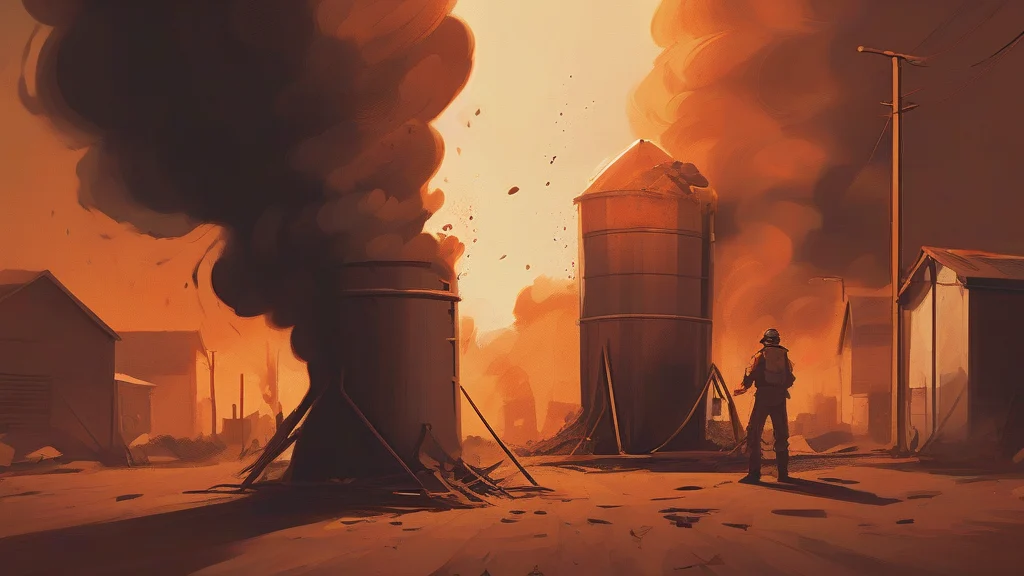
What does outburn mean?
Outburn is a rare verb meaning to burn more intensely, extensively, or effectively than something else. Its literal use compares fires, furnaces, engines, or other sources of heat, but the verb is more often encountered figuratively, as in describing an event or force that surpasses another in intensity. For example, saying that one fire outburned another suggests not merely that it lasted longer but that it produced greater heat, force, or destructive power. The word is now uncommon in everyday English and tends to occur in literary, historical, or dramatic contexts. Its construction is transparent: the prefix out- means “beyond” or “more than,” while burn supplies the central action. Although outburn is not restricted to a single English variety, its literary flavour and rarity make it more conspicuous than straightforward alternatives such as outdo or surpass.
verbTo burn more intensely, extensively, or effectively than something else; to outdo in burning.
- To burn more intensely or extensively than another thing.
- To surpass something in fiery power or destructive effect.
"The larger furnace could outburn the old kiln in less than half the time."
"A high-performance boiler can outburn a basic domestic furnace."
"The wildfire outburned the efforts of the first crews who reached the ridge."
Reviewed by Deb Chak, Editor. AI-assisted content curated by RJS Tech Solutions LLP.
Where does outburn come from?
Outburn is formed in English from out- and burn, both elements of Germanic origin. The prefix out- has long expressed superiority or excess, while burn comes through Middle English from Old Norse brenna; the compound therefore carries the basic sense of burning more than another thing.
Related word forms
How outburn is actually used
Rare and literary in modern English. It is chiefly used in figurative comparisons of intensity or effectiveness, though literal references to burning also occur.