
What does overdrive mean?
Overdrive means to push a vehicle, machine, person, or activity beyond its ordinary limits. Its literal use refers to operating an engine or transmission beyond its standard range, giving extra speed or power under particular conditions. In everyday figurative use, however, overdrive usually describes people or organizations performing with extraordinary urgency and intensity, often because of a deadline, crisis, or ambition. A phrase such as going into overdrive suggests that normal behavior has been replaced by a frantic burst of activity. The word can also name this intensified state, as in a period of marketing overdrive, while the technical noun refers to the extra power ratio available in a vehicle. Overdrive is especially useful when describing a sudden change from calm or ordinary effort to sustained high-intensity performance.
To operate a vehicle or machine beyond its normal limits, or to pursue an activity with excessive speed, effort, or intensity.
"The team overdrive the final week to finish the project on time."
In figurative use, the verb is often used with the company into, as in go into overdrive.
A state of unusually intense activity, effort, or speed; also, an automotive mechanism that allows an engine or transmission to operate above its standard range.
"The car reached full overdrive on the open highway."
The figurative noun is common; the technical automotive sense is more specialized.
The plural is rare because the noun is normally used as a mass noun or in the idiomatic expression in overdrive.
"The design team's final sprint put several of its previous workflows into overdrives."
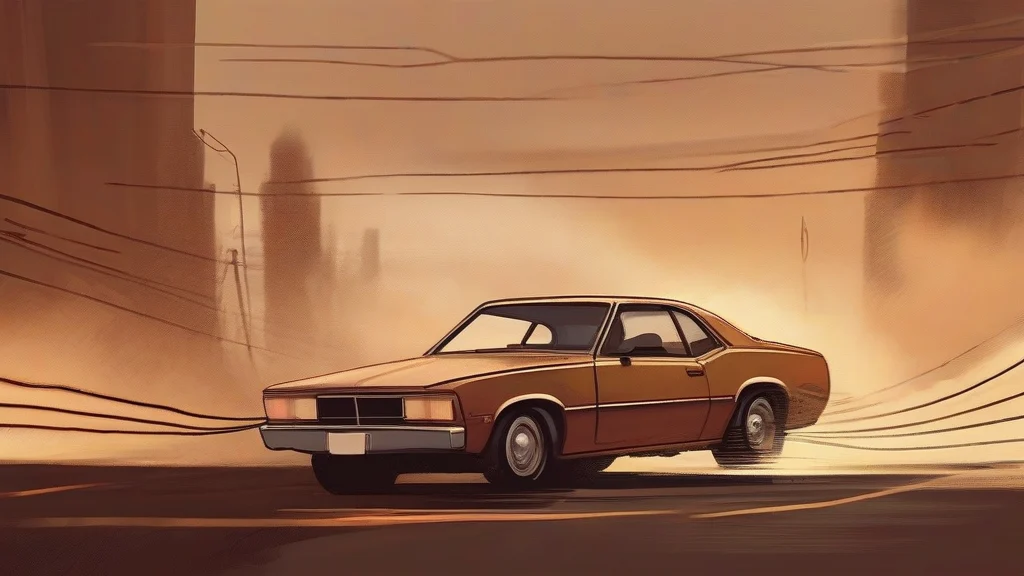
From racing cars to frantic project teams, overdrive turns ordinary performance into a high-intensity sprint.
Reviewed by Deb Chak, Editor. AI-assisted content curated by RJS Tech Solutions LLP.
Where does overdrive come from?
Overdrive was formed in the mid-20th century from the prefix over- and the verb drive, initially describing a vehicle driven or equipped beyond its normal performance limits. Its figurative sense of excessive effort developed by analogy with the way a car can be made to perform more powerfully. The element over- itself derives from Old English ofer, meaning above, beyond, or in excess, and is the source of numerous English compounds.
Related word forms
How overdrive is actually used
The metaphorical expression is common in British and American English and often conveys frantic, unusually intense activity. When referring to an automotive mechanism, overdrive is more formal and technical than the idiomatic phrase in overdrive.
Easily confused with overdrive
Overdrive means operating beyond normal limits, whereas overdraw usually means withdrawing more money from an account than is available.
Overdrive emphasizes heightened speed or effort, while overload means placing too much demand or work on a person, system, or vehicle.