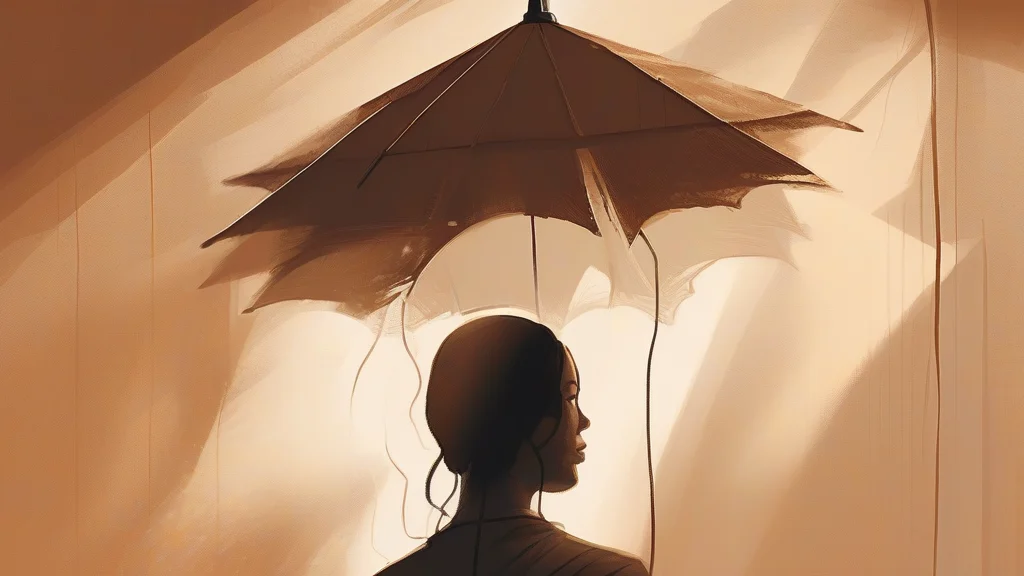
What does overlighting mean?
Overlighting is a verb that refers to the act of illuminating or lighting something excessively, often to the point of discomfort or distraction. This can occur in various contexts, such as in photography, where overlighting can lead to overexposure, or in interior design, where overlighting can create harsh or unflattering lighting conditions. In both cases, overlighting can detract from the intended effect or message. The term is often used in contrast to underlighting, which refers to insufficient lighting. Overlighting can be intentional, such as in the case of dramatic lighting effects, or unintentional, such as in the case of poorly designed lighting systems. In either case, overlighting can have a significant impact on the overall aesthetic or atmosphere of a space or image.
verbTo illuminate or light something excessively, often to the point of discomfort or distraction.
- 1. To illuminate or light something excessively, often to the point of discomfort or distraction.
"The bright lights in the auditorium overlighted the performers, making it difficult for them to see the stage."
"The bright lights in the auditorium overlighted the performers, making it difficult for them to see the stage."
"The photographer overlighted the subject, resulting in an unflattering and overly exposed image."
Reviewed by Deb Chak, Editor. AI-assisted content curated by RJS Tech Solutions LLP.
Etymology of overlighting
The word overlighting is derived from the verb 'to light', which is itself derived from the Old English word 'lihtan'. The prefix 'over-' is added to indicate excess or intensification, resulting in the modern English verb 'overlighting'.
How overlighting is actually used
Overlighting is often used in formal or technical contexts, such as in photography or interior design. It can also be used in more general contexts, such as in everyday conversation, to describe situations where lighting is excessive or distracting. The term is often used in contrast to underlighting, which refers to insufficient lighting.