
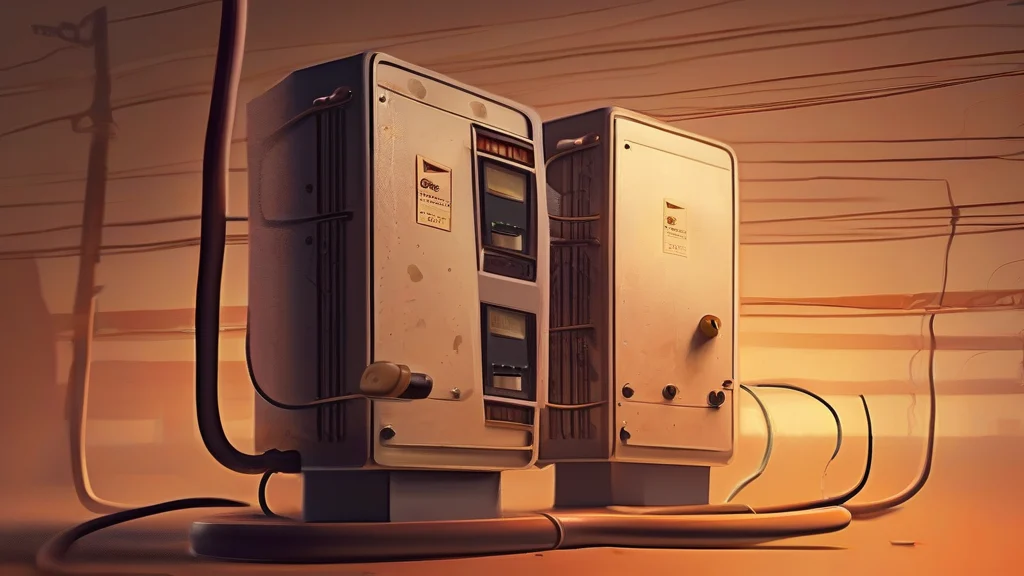
What does overvoltage mean?
Overvoltage is a technical noun for a voltage that is higher than the normal, rated, or prescribed level in an electrical system. It may result from problems such as an unstable power supply, a failed regulator, switching surges, lightning, or an improperly configured device. Although the causes and consequences vary, severe overvoltage can stress insulation, cause overheating, and permanently damage electronic components. The word is especially common in electrical engineering, electronics, automotive diagnostics, and power-system engineering, where overvoltage protection and transient overvoltage are established concerns. In looser usage, the term can describe any abnormally high electrical supply or, occasionally, an extreme buildup of tension. It should not be confused with overcurrent: voltage is the electrical pressure that drives current, while current is the flow itself. A system may experience either condition independently, although the two are often related.
nounAn electrical voltage that exceeds the value prescribed for a circuit, component, or system. The term is also used more broadly for a condition in which the supplied voltage is abnormally high.
- A voltage higher than the rated, nominal, or otherwise prescribed level for an electrical circuit or component.
- A broader condition in which the electrical supply voltage is abnormally high.
"A failed regulator caused overvoltage that damaged the sensitive circuitry."
"Engineers installed surge suppressors to protect the control board from overvoltage."
"The report attributed the malfunction to a brief overvoltage during the power interruption."
The plural is used when referring to separate instances of excessive voltage or to distinct recorded overvoltage conditions.
"The monitor recorded three overvoltages during the week."
Overvoltage can turn the most delicate electronics into toast in the time it takes a surge to pass.
Reviewed by Deb Chak, Editor. AI-assisted content curated by RJS Tech Solutions LLP.
Where does overvoltage come from?
Overvoltage was formed in English by combining the prefix over- with voltage. Voltage derives from volt, which was named in the nineteenth century after the Italian physicist Alessandro Volta. Other words in the volt family, including voltmeter, share this electrical and etymological lineage.
Related word forms
How overvoltage is actually used
Overvoltage is chiefly a technical term used in electrical engineering, electronics, power systems, and automotive diagnostics. In general contexts, it may refer figuratively to an excessive level of tension, but that broader use is less common.
Easily confused with overvoltage
Overvoltage is an excessive voltage, whereas overcurrent is an excessive flow of electric current.