What does overwater mean?
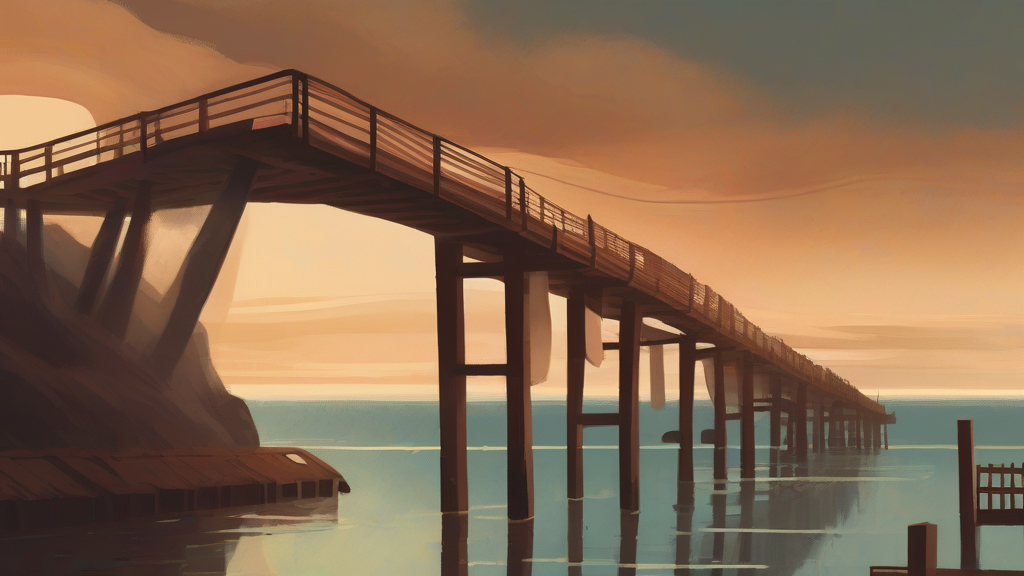
The term overwater refers to a structure built over water, such as a bridge, pier, or walkway. It can be found in various forms, including overwater promenades, walkways, and bridges. Overwater structures often provide stunning views of the surrounding water and can be a popular tourist attraction. In British English, overwater is typically used to describe a structure built over water, while in American English, it may also refer to a boat or ship. The term is often used in formal and informal contexts, and its usage can vary depending on the region and cultural context. Overall, overwater is a useful term for describing structures that span waterways, and its usage can add depth and nuance to one's language.
nounA structure built over water, such as a bridge, pier, or walkway.
- A structure built over water.
"The city's overwater promenade offered stunning views of the harbor."
"The city's overwater promenade offered stunning views of the harbor."
"The overwater walkway connected the two islands."
The plural form overwaters is used to describe multiple structures built over water.
"The city has several overwaters that connect the islands."
Reviewed by Deb Chak, Editor. AI-assisted content curated by RJS Tech Solutions LLP.
Etymology of overwater
The term overwater is derived from the combination of the words 'over' and 'water'. The word 'over' is a preposition that indicates a position above or beyond something, while 'water' refers to a liquid substance. The term overwater has been in use since the mid-20th century and has been adopted in both British and American English.
How overwater is actually used
In British English, overwater is often used to describe a structure built over water, while in American English, it may also refer to a boat or ship.