
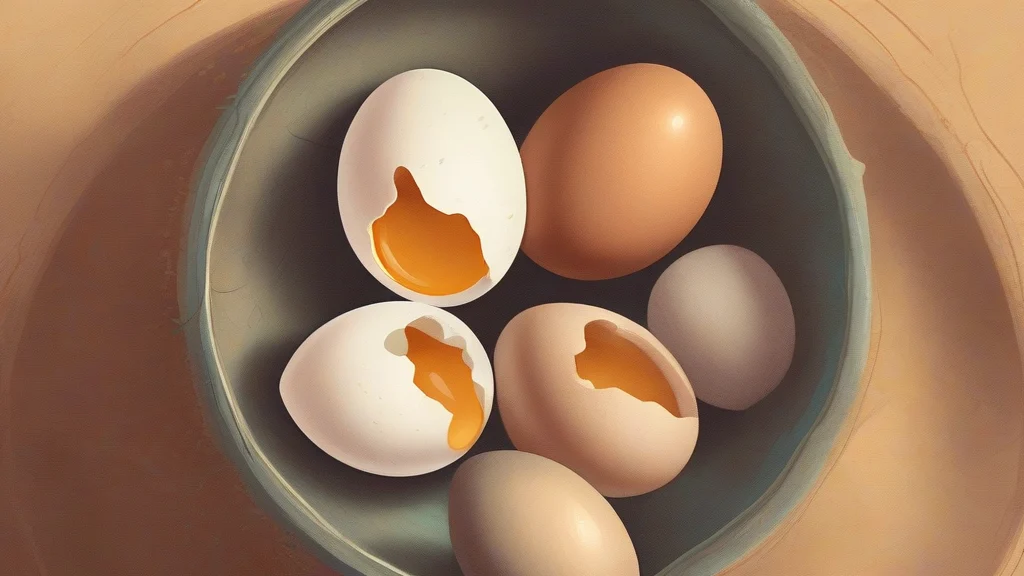
What does oviparous mean?
Oviparous is a zoological adjective describing animals that reproduce by laying eggs. In an oviparous species, fertilized eggs are laid outside the body, and the young develop within them before hatching. Birds, most reptiles, fish, and many amphibians are oviparous. The term is more precise than the general expression “egg-laying” and is especially useful when distinguishing reproductive strategies. It should not be confused with ovoviviparous, in which eggs remain inside the parent and hatch internally, or viviparous, in which the parent gives birth to live young. Although the word may sound technical, it provides a concise and accurate way to identify one of the major forms of animal reproduction.
adjectiveOviparous means reproducing by laying eggs rather than giving birth to live young. It describes animals whose embryos develop outside the mother's body, enclosed within an egg.
- Reproducing by laying eggs, or belonging to a species that reproduces in this way.
"Most birds are oviparous, producing offspring that develop in eggs laid outside the body."
"The collection includes examples of oviparous animals from several different habitats."
"Fish, reptiles, birds, and most amphibians are oviparous."
An oviparous animal completes the first stage of life inside an egg, making egg-laying one of nature's most successful reproductive strategies.
Reviewed by Deb Chak, Editor. AI-assisted content curated by RJS Tech Solutions LLP.
Where does oviparous come from?
Oviparous comes from Latin oviparus, meaning “egg-producing” or “egg-laying.” Its elements come from ovum, “egg,” and a form of parere, “to bring forth” or “produce.” The term entered English in the 17th century and belongs to the scientific vocabulary of zoology and comparative anatomy.
Related word forms
How oviparous is actually used
This is a formal zoological term. In general use, “egg-laying” is more accessible. It is usually applied to animals or species, rather than to individual organisms.
Easily confused with oviparous
Oviparous animals lay eggs, whereas ovoviviparous animals retain the eggs inside their bodies until they hatch.
Oviparous animals lay eggs, while viviparous animals give birth to live young.