
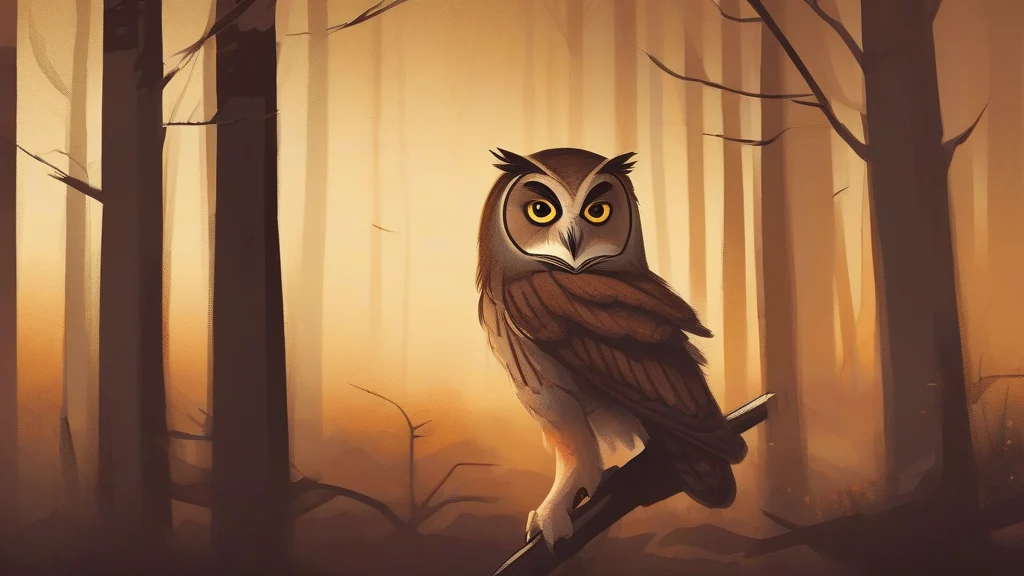
What does owling mean?
Owling is the practice of looking for, watching, or hunting owls, usually at night and in places where wild owls shelter, feed, or nest. Observers may identify species by their calls, plumage, flight patterns, and behavior, and they often use calls to attract a distant owl into view. As a recreational activity, owling belongs to the wider tradition of birdwatching but is distinguished by its strongly nocturnal character. The term can also describe more formal field work involving owl surveys, monitoring, or research. It is most natural in specialist contexts involving wildlife organizations, birders, and naturalists. Although people sometimes use owling more broadly for the study of owls, the word primarily evokes nighttime encounters with these distinctive birds rather than conventional daytime birdwatching.
nounThe activity or practice of hunting, observing, or studying owls, usually in their nocturnal habitats.
- The activity or practice of hunting, observing, or studying owls.
"They went owling before dawn and returned with observations of several owls in the woodland."
"The reserve organizes guided owling excursions for visitors interested in nocturnal birds."
"Her notebooks filled with field notes after a winter season of owling."
Rare, because the word is normally used as an uncountable name for an activity.
"The club's winter owlings produced several sightings of tawny owls."
Owling takes birdwatching into the night, when owls are active and their calls can carry for miles through otherwise quiet woodland.
Reviewed by Deb Chak, Editor. AI-assisted content curated by RJS Tech Solutions LLP.
Where does owling come from?
The word was formed in English by adding the suffix -ing to owl. Owl comes from Old English ule, which descended from Proto-Germanic *ūlaz; related forms include Dutch uil and German Eule. The suffix -ing was used here to name an activity or pursuit, so owling literally means the activity of dealing with or pursuing owls.
How owling is actually used
This is a specialist and relatively uncommon outdoor pursuit. It usually implies searching for or watching wild owls, particularly at night, rather than keeping captive birds.
Easily confused with owling
“Owling” refers to the pursuit of observing owls, whereas “allowing” means permitting or giving someone authorization.