
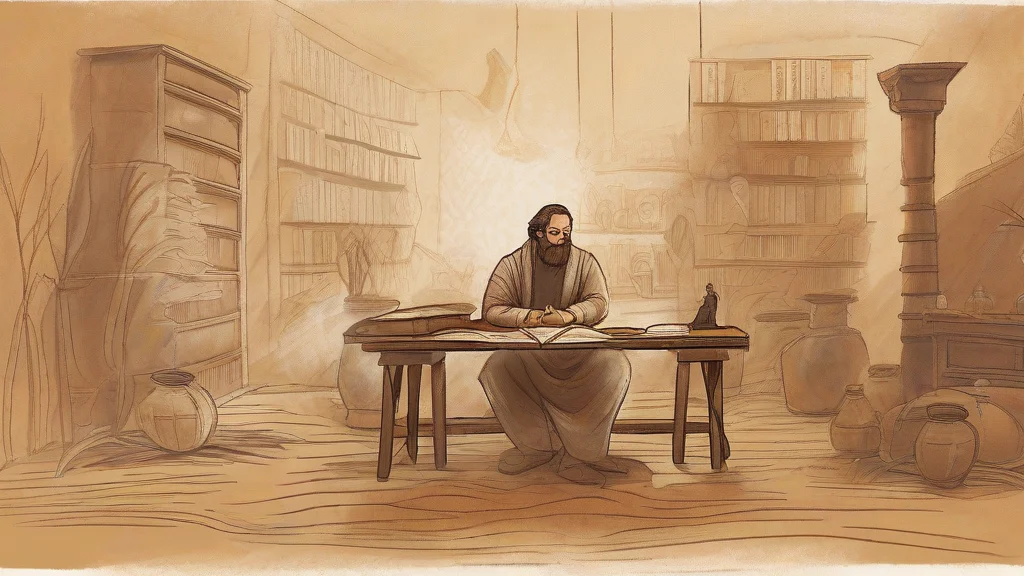
What does palaeographer mean?
A palaeographer is an expert in the study of ancient and historical handwriting, particularly the scripts found in manuscripts and other old documents. By comparing letterforms, writing materials, ink, layout, and scribal habits, a palaeographer may help establish a document’s date, place of production, authorship, or history. The discipline is called palaeography and is especially important in medieval and textual studies, although the work can also involve legal records, inscriptions, and early printed books. The term carries a distinctly scholarly and professional connotation. It should not be confused with calligraphy, which emphasizes the visual beauty and style of writing, or with diplomatics, the study of the institutions and legal forms behind historical documents. Knowing a palaeographer can therefore mean recognizing a specialist in the physical and graphic evidence of the written past.
nounA palaeographer is a scholar who studies ancient or historical manuscripts, especially their handwriting, scripts, and origins. The term may also refer to an expert in the dating, attribution, or interpretation of old documents.
- A scholar who studies the handwriting and scripts of ancient or historical manuscripts.
- An expert who dates, attributes, or interprets historical documents through their handwriting and physical characteristics.
"The palaeographer identified the manuscript as a later copy of an earlier legal text."
"A palaeographer examined the faded letters and concluded that the document had been copied in the medieval period."
"The manuscript was sent to a palaeographer, who questioned the attribution because its script did not match the known examples."
The regular plural is used when referring to more than one scholar in the field.
"The palaeographers published their analysis of the disputed manuscript."
A palaeographer can read more than words: the shapes, spacing, ink, and pressure of a manuscript can reveal where, when, and by whom it was written.
Reviewed by Deb Chak, Editor. AI-assisted content curated by RJS Tech Solutions LLP.
Where does palaeographer come from?
The word comes from Greek palaios, meaning “old,” and graphein, meaning “to write,” together referring to the study of ancient writing. The related English term palaeography was established in the seventeenth century, with the form palaeographer developing later for a specialist in the subject. Its vocabulary is cognate with other English words ending in -graphy and -grapher, including calligraphy, graphology, biography, and geography, all of which ultimately involve writing or a written representation.
Related word forms
How palaeographer is actually used
This is a formal scholarly term, normally used in historical studies, manuscript studies, bibliography, and related fields. In British usage, “palaeographer” is especially associated with the study of early manuscripts; the American spelling “paleographer” is also common.
Easily confused with palaeographer
Calligraphy concerns the artistic appearance and style of writing, whereas palaeography is the scholarly study of historical handwriting and manuscripts.
A diplomatist is a specialist in editing historical texts and assessing their transmission, while a palaeographer focuses more directly on handwriting, scripts, and the physical evidence of manuscripts.